Solo sex after years with a partner isn't the same as it was before
Years spent having sex primarily with a partner change what solo pleasure feels like. You've spent time attuned to someone else's rhythm, reading their cues, calibrating intensity based on their feedback. Your body has learned to be responsive to external stimulation and external timing. Then suddenly, or gradually, you're alone again. And solo pleasure can feel weirdly foreign.
It's not that you've forgotten how. It's that your nervous system has been trained to rely on external input to feel aroused. Going back to your own hand, your own pace, your own pressure feels... quieter. Maybe less "real." Maybe guilt-adjacent if the relationship ended badly.
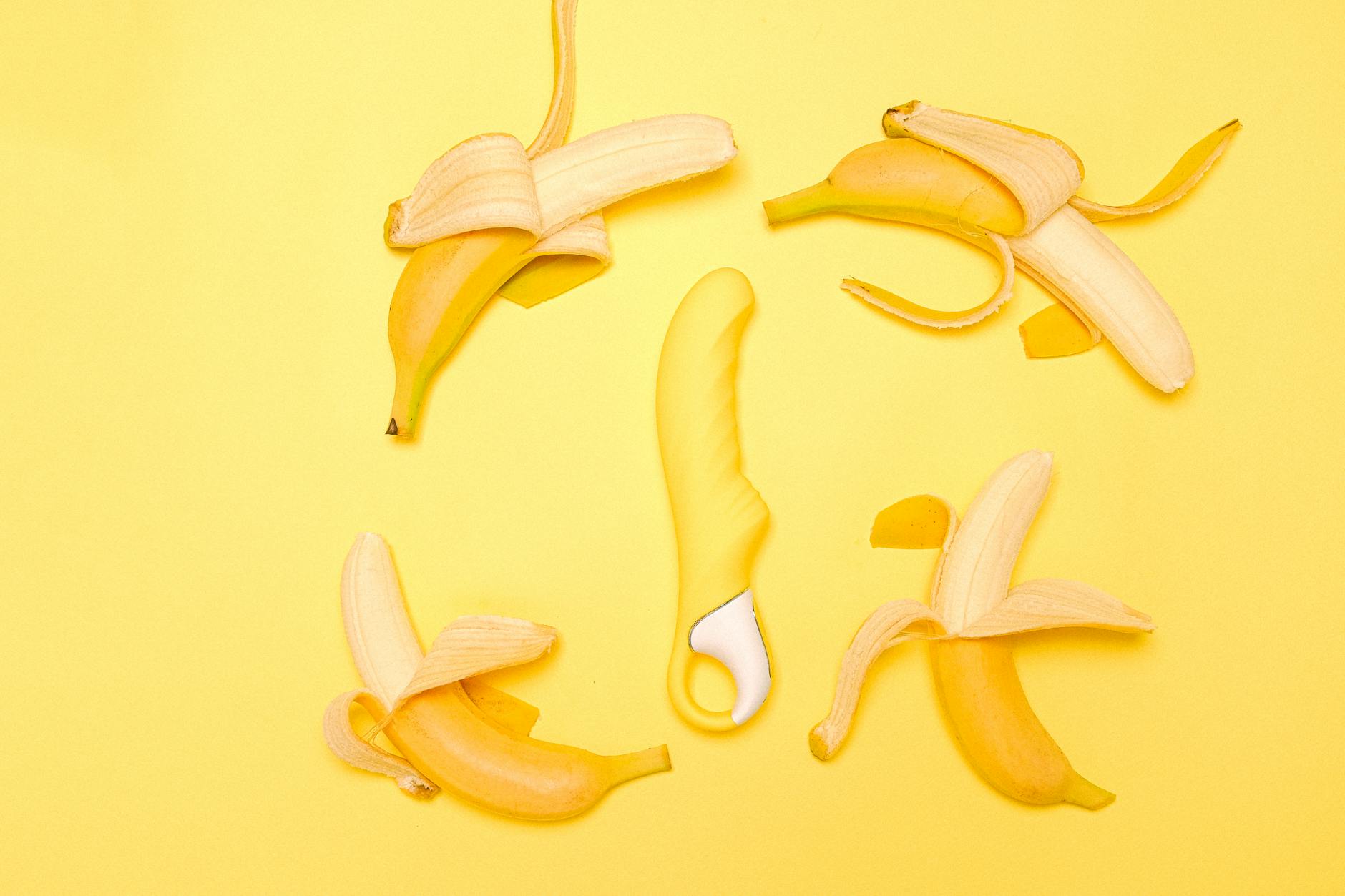
Here's the thing: a lemon clitoral vibrator doesn't just add sensation. It adds a kind of permission. It's external enough to feel different from what you knew, but intentional enough to feel like you're choosing pleasure for yourself.
Why transitioning back to solo pleasure is harder than you think
It's not laziness or weirdness. There's actual neurobiology here.
When you have a partner, your brain learns to associate arousal with external triggers: their touch, their presence, their attention. The reward pathway gets wired that way. Solo sex used to be your reference point, but it's been years, maybe decades. Your brain hasn't forgotten how to be aroused alone, but the neural pathways have gotten quieter. They need reactivation.
There's also the emotional layer. If the partnership ended, there might be grief or ambivalence sitting under the surface. Your body picks that up. Even if you rationally want to feel pleasure again, your nervous system might be hesitant. That's not a problem to fix quickly. It's a signal to honor.
Finally, there's the practical issue: you might literally not know what you like anymore. After years of partnered sex, what turned you on might have shifted. Your body changed. Your preferences changed. You might have explored positions or intensities you never would have solo. Now you're starting over, and there's no external validation telling you "that's working."
A good clitoral vibrator acts as a kind of reset button. It gives you something external to respond to again, but entirely on your terms.
Starting with the right tool matters
Not all vibrators feel the same when you're relearning solo pleasure. Some feel too goal-oriented, like you need to "perform" for the toy. Others feel too gentle, which can actually increase frustration if your nervous system is already hesitant.
Lemon sexual toys, especially suction-based options like the Lem vibrator, work well here because they create a different sensation than vibration alone. Suction feels more continuous, more like a partner's presence, but without requiring your attention. You can focus on your own arousal rather than managing intensity.
Start with a lower setting. Not because you're broken or rusty, but because your nervous system needs time to recognize that pleasure without a partner is safe, desirable, and worth paying attention to. After years of partnered sex, your solo arousal might take longer to build. Budget 15-25 minutes and plan for exploration rather than outcome.
The permission piece is bigger than you'd think
One of my clients put it this way: "When I used a vibrator alone, it felt like I was finally allowed to want something just for me."
This matters. After years of sex that was partly about connection, partly about their partner's pleasure, partly about maintaining intimacy, solo sex can feel selfish or even slightly wrong. Adding a tool makes it feel more legitimate somehow. The toy is doing something external. You're just responding. That separation can free up your pleasure.
Honestly, if that sounds silly, it's not. Your nervous system doesn't care about logic. It cares about safety and permission. If a lemon sucker vibrator makes your brain go "okay, this is an approved activity," then it's doing its job.
How to rebuild the sensation map
When you're solo and relearning, treat the first few sessions as information gathering, not goal-setting. You're not trying to have an orgasm. You're trying to remember what you like.
Start with the toy off. Hold it. Notice the weight, the temperature, the texture. That's not nothing. Your body needs to know this object is safe and interesting before it's doing anything.
Turn it on at the lowest setting. Move it around your body slowly, noticing where you feel sensation. This is mapping, not racing. Some parts of your body might light up that surprised you. Other parts might feel numb or distant, which is also useful information.
If numbness shows up, that's worth paying attention to separately. You might be experiencing what happens after years of partnered sex focused on partnered timing. You might need a longer warm-up. You might benefit from exploring how to use a lemon vibrator when sensation feels numb or distant to help you move through that.
Once you've mapped the landscape, you can start playing with patterns. Higher settings. Faster rhythms. Pressure against different areas. The goal here isn't to orgasm. It's to remember that your body can feel good without an audience.
Handling the grief or guilt that might show up
Sometimes, when people start using clitoral vibrators again after being in a long partnership, complicated feelings emerge. Guilt. Grief. Weirdness. Relief. Sometimes all at once.
If the relationship ended, your body might hold some of that loss. You might feel guilty for wanting pleasure if there's unprocessed anger or hurt. You might feel relieved and then feel guilty about the relief.
This is normal. This is also not something a vibrator alone can solve. But it's worth acknowledging.
If that's coming up for you, it might help to separate the two conversations. One conversation is about your body. It wants pleasure. It deserves pleasure. That's true regardless of what happened in the relationship. The other conversation is about the relationship itself: what it meant, how it ended, what you're carrying.
You can have your body wanting pleasure while you're also processing grief. They're not mutually exclusive. If that complexity feels heavy, a relationship coach or therapist can help you move through it. The vibrator is part of the picture, not the whole picture.
If arousal still feels blocked after a few weeks
If you've given yourself permission, you've had time and space, and pleasure still isn't flowing, it might be worth checking in with yourself about what's actually underneath.
Are you still grieving the relationship? That's valid and worth processing separately.
Does your body feel unfamiliar in some way? That might mean exploring how to use a lemon vibrator when your body feels unfamiliar after time away.
Are you experiencing anxiety when you try to be alone with pleasure? That's also very real, and worth attention.
The lemon clitoral vibrator is a tool. It's a good one. But it's not a magic wand for complicated feelings. If you're noticing that pleasure keeps feeling blocked after several attempts, that's information. Your nervous system might be telling you it needs something beyond a vibrator: maybe a conversation with a therapist, maybe time, maybe reconnection with your body in non-sexual ways first.
Building a sustainable solo practice
Once you've found your rhythm and your arousal is flowing again, the goal isn't to use the lemon vibrator every time. It's to have brought your nervous system back online enough that you have choices.
Some sessions will be you and your hand, because you want that simplicity. Some will be you and the vibrator, because you want that external sensation. Some will be combining the two, or exploring how to use a lemon vibrator when you want better control over sensation intensity.
The point is choice. After years of sex that was partly about responding to someone else, solo pleasure that's entirely about what you want, when you want it, how intensely you want it, is its own kind of revolutionary.
That doesn't sound like much. It is.
FAQ: Solo pleasure and lemon vibrators
How long does it take to feel comfortable with solo pleasure again after partnership?
It varies wildly. Some people take a few weeks. Others need a few months. There's no timeline here. Your nervous system will let you know when it's ready. If you're putting pressure on yourself to "get over" the transition or to reach orgasm by a certain date, that pressure might actually slow things down. Letting it unfold is usually faster than forcing it.
Is it normal to not want solo pleasure for a while after a breakup?
Completely normal. Your body might not feel safe exploring pleasure if there's still grief or anger active. That doesn't mean anything is broken. It means your nervous system is doing its job: protecting you while you process. If it's been more than a few months and you're still experiencing zero desire to explore pleasure, that might be worth checking in with a therapist about, but a few weeks of no interest after a breakup is textbook.
Should I feel guilty for wanting solo pleasure if I'm still processing the relationship?
No. Your body's desire for pleasure is separate from your emotional processing. You can be grieving the relationship and also have your clitoris want stimulation. These aren't contradictory. In fact, reconnecting with solo pleasure can be a really powerful part of reclaiming yourself after partnership. The vibrator isn't cheating on your grief. It's an act of self-affirmation.
What if using a vibrator makes me feel more alone?
That's a signal worth listening to. Sometimes, tools that are meant to feel good can actually amplify loneliness if your nervous system is activated by isolation. If that happens, you might want to go slower, explore solo pleasure in shorter sessions, or focus on non-sexual reconnection with your body first. A lem vibrator is a tool. If it's highlighting something that needs attention, that's useful information. You might also explore how to use a lemon vibrator when anxiety affects arousal and connection to see if that resonates.
Can I use a lemon vibrator while I'm still in regular contact with my ex?
Yes, but be honest with yourself about why you might feel hesitant. Some people find that using clitoral vibrators solo while still emotionally entangled with an ex feels complicated. Others don't. There's no right answer. If it feels okay to you, it's okay. If it feels weird, that's also information. The goal is to rebuild solo pleasure in a way that feels authentic to you, not in a way that requires you to ignore complicated feelings.
How often should I be using a clitoral vibrator when I'm relearning solo pleasure?
Start with once or twice a week if you have desire. This isn't about creating a routine or a should. It's about responding to your own arousal. If you want to explore solo pleasure three times a week, great. If once every two weeks feels right, that's fine too. The vibrator is there when you want it, not a schedule you're obligated to keep.
Reconnecting with solo pleasure after years of partnership is less about the tool and more about rebuilding trust with yourself. The lemon sexual toys, especially ones like the Lem vibrator, can be a bridge back to that trust. But the real work is letting yourself want something just for you. After years of sex that involved someone else, that can feel like relearning how to be a person. You deserve that rediscovery. You deserve pleasure that's entirely yours.