Here's the real thing about foreplay timing
Let's be real: one of you is probably ready faster than the other. That's not a problem. It's just how bodies work. The problem starts when you turn it into pressure. "Are you almost there yet?" or "I'm ready whenever you are" might sound casual, but they carry weight. Suddenly foreplay stops feeling like connection and starts feeling like a job where someone's always behind on their deadline.
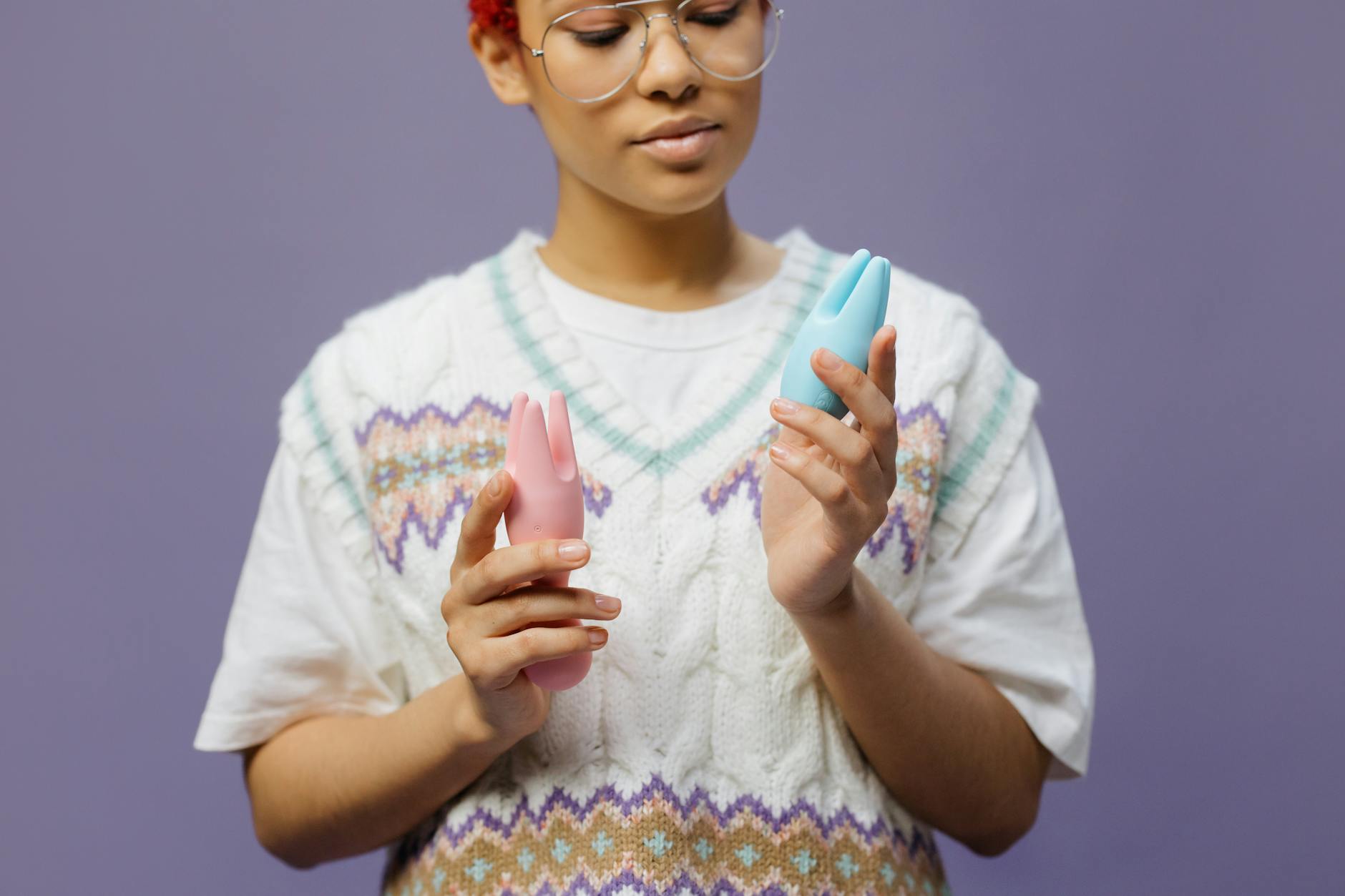
A Lemon clitoral vibrator changes that equation completely. It's not about rushing the slower person to catch up. It's about giving both of you permission to enjoy the journey at your actual pace, together.
Why extended foreplay matters in relationships
Honestly, most long-term couples have this backward. They think extended foreplay is a luxury for special occasions or date nights. In reality, it's one of the most practical tools you have for maintaining desire, reducing resentment, and actually enjoying sex again.
Here's the neurology: when arousal builds slowly, the brain has time to fully engage. You stop thinking about the laundry or your inbox. Cortisol drops. Oxytocin rises. You actually feel bonded to your partner instead of like you're cooperating on a household task. That takes time. Usually 15 to 25 minutes minimum.
Most people don't give themselves that time because they assume one person's impatience will derail everyone. A vibrator removes that assumption. Suddenly you're not waiting for anything. You're both engaged in something that actually feels good.
The arousal mismatch that nobody talks about
One partner typically reaches peak arousal in 5 to 10 minutes. The other needs 20 to 30. This isn't laziness or lack of attraction. It's physiology. Testosterone-dominant bodies often get there faster. Estrogen-dominant bodies usually need more time and more diverse stimulation.
When you're trying to sync up without tools, someone's usually faking it, rushing, or tuning out. That kills intimacy. A Lemon vibrator lets the faster-arousing partner stay engaged without pushing the slower partner past their natural rhythm.
You're not waiting anymore. You're both present.
How to introduce the vibrator into foreplay without awkwardness
The conversation should happen outside the bedroom. "I've been thinking about trying something during foreplay. Would you be open to exploring that together?" That's it. You're not asking permission from a gatekeeper. You're inviting collaboration.
If your partner expresses hesitation, ask what the actual concern is. Usually it's one of three things: (1) they think the vibrator means they're not "enough", (2) they don't want it to feel performative or transactional, or (3) they're genuinely unsure how it works. The first two are conversations about what the vibrator actually represents. The third is logistics.
For the first use, keep it simple. Start with manual foreplay. Once you're both warmed up and connected, introduce the vibrator at low intensity. The goal isn't orgasm on a schedule. It's extended pleasure without pressure.
The rhythm that actually works
Extended foreplay with a vibrator needs structure, or it can feel chaotic. Here's a flow that most couples find sustainable:
Minutes 0-5: Manual touch, kissing, conversation. This is about connection, not stimulation.
Minutes 5-10: Intensity gradually increases. One partner might use hands or mouth. The other might introduce the Lemon vibrator at pattern 1 or 2, exploring sensation.
Minutes 10-20: Both partners are engaged. One might use the vibrator on their partner, or they might use it on themselves while their partner touches them in other ways. There's no script. The point is that both people are present and building arousal simultaneously.
Minutes 20+: Intensity can increase or plateau. There's no rush to orgasm. Sometimes extended foreplay ends with penetrative sex. Sometimes it doesn't. The goal is the foreplay itself, not what comes after.
The reason this works is that there's zero pressure. Neither of you is waiting for the other. You're both engaged in something that feels good.
Communication that actually deepens connection
During extended foreplay, check in. Not like a therapist, like a friend who actually cares. "Is this good?" "Want to try something else?" "That felt amazing." These micro-check-ins do something counterintuitive: they make sex feel less transactional, not more so.
Why? Because you're signaling that their pleasure matters to you. That you're present. That this isn't a performance you're trying to nail. It's an experience you're having together.
If one of you reaches orgasm before the other, that's fine. Sometimes the person who finishes first keeps going. Sometimes they slow down and let their partner take the lead. There's no right answer. The conversation is the permission slip.
The practical setup that removes friction
Before you start, make sure the Lemon vibrator is charged. There's nothing sexier than "hold on, let me find the charger." Grab water and a hand towel nearby. Turn off notifications on your phone. Tell kids or roommates you're not available for 30 minutes.
If you're using lube (which most people should for extended sessions), have it within arm's reach. Water-based lube works with any vibrator and washes off easily. Apply it generously. Extended foreplay usually means longer contact, and friction increases over time.
The environment matters less than people think. Soft lighting helps. A locked door helps more. Music is optional. What actually matters is that you've both decided "this is our time."
When arousal patterns really diverge
Sometimes one partner can't get there without specific stimulation, or gets there in five minutes flat. That gap can widen over years. A vibrator doesn't fix incompatibility, but it does remove the performance anxiety that makes everything worse.
If one person struggles with arousal despite extended foreplay, that's worth exploring with a doctor or therapist. It might be hormonal, vascular, neurological, or emotional. But extended foreplay with a vibrator is a low-stakes, high-pleasure way to figure out what actually works for your body.
Many couples discover that the issue isn't arousal at all. It's that they've never actually given themselves time. Extended foreplay fixes that.
Why a clitoral vibrator shifts the whole dynamic
The Lemon clitoral vibrator specifically works well for couples because it's precise and adaptable. You're not guessing what intensity feels good. Your partner can tell you, or you can experiment together. The suction pattern stays consistent, which means neither of you is trying to match a manual rhythm that's impossible to sustain.
This matters more than it sounds. When someone's manually stimulating you, there's an implicit obligation for you to finish quickly so they don't get tired. That obligation kills arousal. A vibrator removes it. You can take 5 minutes or 25 minutes. Your partner isn't muscularly fatigued. You're not performing.
You're just... there together. Building pleasure at the pace your body actually needs.
When to seek outside support
If extended foreplay is something you want but one partner consistently shuts it down, that's not a vibrator problem. That might be a "we need to talk about desire and connection" problem. A therapist who specializes in couples can help you understand what's underneath the resistance.
If arousal is consistently painful, if orgasm has disappeared entirely, or if one person feels coerced into sex, those are clinical issues that deserve professional attention. Extended foreplay with a vibrator is great for normal mismatches. It's not a fix for deeper problems.
But for the majority of long-term couples who genuinely want connection and just need help removing the performance anxiety? Extended foreplay with a lemon clitoral vibrator is one of the most practical relationship tools you can use.
FAQ
What if my partner feels threatened by the vibrator?
That feeling usually isn't about the vibrator. It's about fear that you'll prefer it to them, or that they're not enough. The fix is naming that directly. "I want this to be something we explore together. I'm not trying to replace you. I'm trying to enjoy you more." Then follow through. Use the vibrator during partnered foreplay, not in secret. Show them that it's about connection, not escape.
How do I bring up extended foreplay if we haven't had sex in a while?
Start small. Don't frame it as "we need to have longer sex now." Frame it as "I miss us. I want to spend more time together without rushing." Then suggest one afternoon where you're both unhurried. Light touching, no agenda, no timeline. The vibrator comes later, once you've remembered what connection feels like.
Is extended foreplay realistic if we have kids and limited time?
Yes. It doesn't have to be an hour. 15 to 20 minutes of genuine focus is infinitely better than 40 minutes of distraction. Quality over quantity. Lock the door, silence your phone, and commit to that time actually belonging to you both. Kids go to bed. You deserve that window.
What if one of us always wants to rush to penetration?
That's a conversation to have clothed, not during sex. Ask what's driving it. Anxiety? Habit? Fear of losing arousal? Once you understand the actual need, you can address it. Maybe extended foreplay with a vibrator is the solution. Maybe it's something else. But you can't fix it during sex.
How do I know if we're doing extended foreplay "right"?
You're doing it right if you both feel connected at the end. If neither of you checked your phone. If you both felt heard. If you're already thinking about doing it again. There's no scoreboard. There's just: did this feel good and did it bring us closer? If yes to both, you nailed it.
Can extended foreplay actually improve our relationship outside the bedroom?
Absolutely. When you regularly take time to focus on each other with zero distractions and zero pressure, something shifts. You remember why you liked this person. You feel less resentful. You're less snappy with each other during the day. Sex isn't happening in a vacuum. It's part of the relationship ecosystem. Invest in it, and everything gets better.
The long game
Extended foreplay isn't a sex hack. It's a relationship practice. It says to your partner: you matter enough for me to slow down. Your pleasure matters enough for me to be patient. Our connection matters enough that I'm willing to be present.
That's not sentiment. That's the actual foundation of long-term desire. Try it for a month and see what shifts.
If you want to explore this further, check out our guide on how to use a lemon vibrator when partnered sex has become predictable. Or if timing mismatches are showing up in other areas of intimacy, read about how to introduce a lemon vibrator into your couples routine without awkwardness.
Questions? Reach out. We're here.