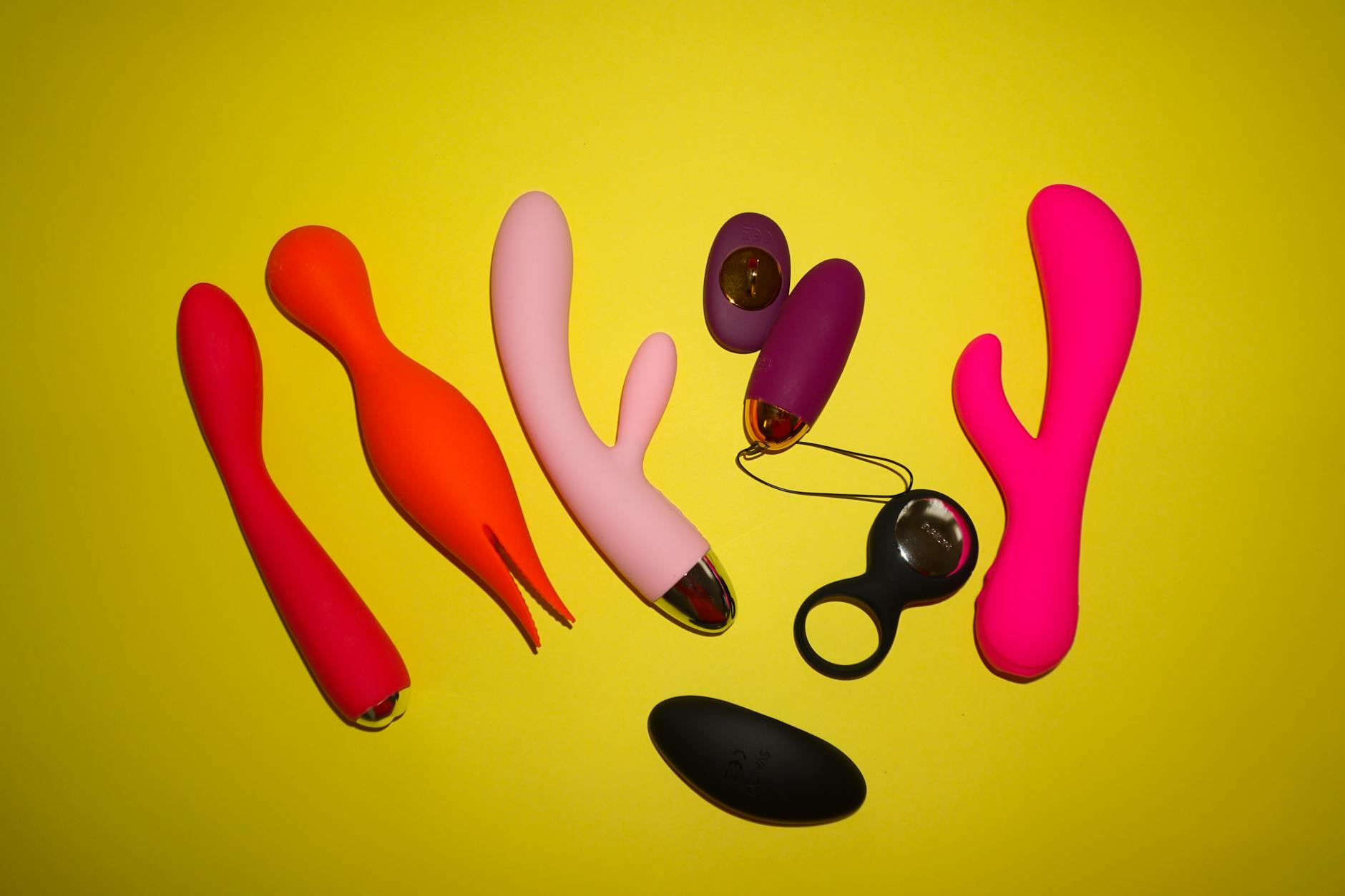
How to Introduce a Lemon Vibrator Into Your Couples Routine Without Awkwardness
Let's be real. Bringing up vibrators in a long-term partnership feels vulnerable in a way that asking for different positions somehow doesn't. There's a phantom narrative running underneath: if I ask for this, does it mean they're not enough? Or worse, will they think I've been fantasizing about someone else?
Neither of those things is true. But the conversation still feels risky.
The good news is that integrating a lemon clitoral vibrator into your couples routine doesn't have to feel like a relationship negotiation. It can be straightforward, even playful. I've worked with hundreds of couples through this exact transition, and the ones who move through it smoothly share a few specific practices.
The conversation matters more than the timing
Most couples try to introduce a vibrator in the moment. In bed, lights dimmed, partner already aroused. The thinking goes: if we're already in it, it'll feel natural.
It rarely does.
What actually works is talking about it outside the bedroom. Not in some formal "we need to discuss our intimate life" speech, but as a genuine, curious conversation. Over coffee. In the car. Somewhere neutral where neither of you is vulnerable or aroused yet.
Here's the move: lead with your own desire, not a deficiency.
Instead of "I think we should try a vibrator because I can't orgasm easily," try: "I've been thinking about how much I enjoy different sensations when I'm with you, and I'd like to explore that more. I found this clitoral vibrator—have you ever thought about using one together?" The shift is subtle but significant. You're not asking them to fix something. You're inviting them into something.
Then actually listen. If they seem uncertain, ask why. A lot of the resistance has nothing to do with the vibrator itself. Sometimes it's about feeling replaced. Sometimes it's about not knowing how they fit into it. Sometimes it's just the surprise of the idea.
Why the Lemon clitoral vibrator works differently in partnered sex
There's a reason suction-based vibrators have transformed couples' dynamics in ways that traditional vibrators haven't. They're not competing with penetration. A suction device like the Lemon stimulates externally, which means your partner stays central to the experience. Penetration and suction can happen simultaneously, which changes the whole equation.
From a practical standpoint, suction also tends to feel less intimidating to partners who've never used a toy before. It's not replacing anything. It's amplifying what's already happening.
The sensation is also unique enough that it requires both of you to stay present. You're not zoning out into your own experience. You're together in a new sensation.
Three positioning setups that actually work
Once you've had the conversation and you're both ready to try, positioning matters. A lot. Here are the three that come up most in my conversations with couples.
The facing variation. Your partner enters you while you're facing each other. You control the vibrator against your clitoris. Your partner sees your face, your responses, everything. This builds intimacy because nothing is hidden, and they get immediate feedback on what's working. It also means you're not focused on them missing a spot or getting the angle wrong. You're in charge of your own pleasure while they contribute to it.
The side-by-side. You're lying on your sides, one person behind the other. This position works particularly well if penetration is part of what you want, and you're using the vibrator simultaneously. It's intimate without being intense, and the angle tends to feel less exposed for people who feel self-conscious.
The supported-from-behind. One partner sits upright (on the bed or a chair), and the other sits in their lap, facing away. This gives you access to use the vibrator, and your partner has their hands free to touch you, kiss you, or just hold you. It requires some trust and communication about pressure and comfort, but the intimacy it creates is hard to beat.
Start with whichever sounds least awkward. You can experiment from there.
How to handle the adjustment period
The first time you use a clitoral vibrator together, something unexpected might happen. You might not have an orgasm. The stimulation might feel too strong or not quite right. Your partner might feel awkward holding it. All of this is normal.
Give yourself permission for it to be imperfect. I tell couples to think of the first few experiences as research, not performance. You're learning what works, what the angles are, how your partner fits into this new dynamic.
If something isn't working in the moment, you have two choices. You can pause and adjust, or you can laugh it off and try again another time. Either way, you're not failing. You're iterating.
The couples who struggle most are the ones who expect it to be instantly amazing and then feel disappointed when it's not. Those same couples often abandon the vibrator altogether. But if you approach it with curiosity instead of pressure, you'll usually find a rhythm that works within a few tries.
Talking through the emotions that come up
Sometimes introducing a vibrator unearths feelings neither of you expected. Your partner might feel a little threatened, even if logically they know that doesn't make sense. You might feel self-conscious about your body in a new way. These feelings are valid, even if they're also usually temporary.
The best move is to name them directly. "I feel a little vulnerable right now" or "I'm worried this changes how you see me" are things that deserve to be said and heard. And then you move forward together.
I also recommend separating the vibrator conversation from the broader intimacy conversation. If your sex life has been unsatisfying for other reasons—you're not touching each other enough, you're not initiating at different times, you want more foreplay—don't let the vibrator become a Band-Aid for those things. Use it as what it is: a tool for different sensation, not a fix for disconnection.
If disconnection is the issue, that's a different conversation entirely.
The logistics of actually keeping it around
Once you've decided this is something you want to integrate into your routine, storage and cleanliness matter more than you might think. You can't have a pleasant experience if you're both awkwardly wondering if the device is clean or where to stash it afterward.
Keep it somewhere both of you can access it without embarrassment. A nightstand drawer is fine. Clean it immediately after use with warm water and mild soap. If you're using it with lubrication, make sure you're using water-based lube if your device is silicone—silicone lubes can damage the material. Then dry it completely before storing.
Having this handled removes friction from the experience. You're not scrambling mid-moment or feeling awkward about it later.
When to bring it into your regular routine
Some couples use a vibrator occasionally, as a special-event kind of thing. Others integrate it into most sexual experiences. There's no "right" frequency. It depends entirely on what you both want.
What I recommend is not making it the only way you experience pleasure together. If a clitoral vibrator becomes the only thing that works, you might be missing out on the other sensations your bodies can create together. But if it's one tool in a toolkit, it tends to enhance everything else.
Think of it like discovering a new restaurant you love. You don't eat there for every meal, but you go back regularly because it adds something good to your life.
Some couples use a Lemon vibrator occasionally during partnered sex. Others discover it's central to how they experience pleasure together. The key is that you're both choosing it, both present for it, and both able to talk about what's working and what isn't.
That foundation makes everything else possible.
People also ask
What if my partner feels threatened by a vibrator?
Threatened feelings usually come from a fear of replacement or a worry that you're not satisfied with them. The best antidote is to be clear about what the vibrator actually is: a tool that enhances what you do together, not a substitute for them. Involve them in choosing it, use it together, and give them space to ask questions. If the threat persists, that might indicate a deeper trust or intimacy issue worth exploring separately, maybe with a couples therapist.
Can I use a lemon clitoral vibrator if my partner is hesitant but curious?
Absolutely. In fact, "hesitant but curious" is the sweet spot for trying something new. Start small. Let them hold the vibrator first, before you use it together. Let them see how it works, what the settings are. Curiosity often transforms into enthusiasm once the mystery is gone. You can also try it solo first and then describe the sensation to them, which sometimes makes it feel less foreign.
How do I bring it up without making it feel like criticism of our sex life?
The framing is everything. Instead of "our sex life needs improving," try "I want to explore more with you" or "I'm curious about trying something new together." You're not saying something is broken. You're saying you want to expand. That's a completely different emotional tone, and your partner is much more likely to be receptive.
What if we try it and it doesn't feel good?
Then you stop and try something else. Not every tool works for every body. That's not a failure. That's information. You might try a different type of vibrator, a different setting, a different position, or decide vibrators just aren't your thing. All of those are valid outcomes. What matters is that you tried together and learned something about what you both want.
Is there a best time in the relationship to introduce a vibrator?
Not really. Some couples bring vibrators into their relationship early. Others wait decades. What matters is that you're both on board when you do it. If you're in a newer relationship and considering it, make sure you've built enough trust and communication for conversations like this to feel safe. If you're in a long-term partnership, the advantage is that you likely have more comfort with vulnerability. There's no "right time" except when you both want to explore.
How do I make sure my partner doesn't feel like they're doing it wrong?
Communication during the experience is key. Not in a "that's not quite right" way, but in a "a little higher" or "that feels amazing" way. Positive feedback helps enormously. You might also ask your partner what would help them feel more confident. Some people want you to guide them. Others want more autonomy. Once you know, you can adjust.
The bottom line
Introducing a lemon clitoral vibrator into your couples routine isn't about fixing anything. It's about choosing to explore pleasure together in a new way. That requires conversation, curiosity, and the willingness to feel a little awkward at first.
But couples who move through that awkwardness usually find that it deepens their intimacy. They're literally learning new things about each other's bodies. They're collaborating on something vulnerable. They're saying "yes, I want to try this with you."
That's not a small thing.
If you're ready to have the conversation or you want to talk through how to approach it in your specific relationship, I'm here to help. Reach out at /contact and let's work through it together.