
Let's talk about going numb
You're using a lemon vibrator. The sensation starts strong, then gradually flattens. By minute five, you're barely feeling anything. Your body isn't responding the way it used to. And the panic sets in: Is this permanent? Am I broken?
You're not broken. What you're experiencing is desensitization, and it's temporary. The good news is that understanding why it happens puts you in control of preventing it.
Why sensation dulls during pleasure
Your clitoris is packed with thousands of nerve endings. When you stimulate it continuously at the same intensity and pattern, those nerves stop firing at the same rate. It's called neural adaptation. Your nervous system is literally learning that this input is safe and constant, so it stops treating it as urgent.
Think of it like this: if you wear the same watch every day, you eventually stop feeling it on your wrist. Your brain filters it out as non-threatening background noise. Clitoral sensation works the same way.
But here's what matters: this adaptation is temporary and totally reversible. The moment you change the stimulus, sensation returns. A lemon vibrator can actually help prevent this because its unique suction mechanism creates variable stimulation that keeps your nervous system engaged.
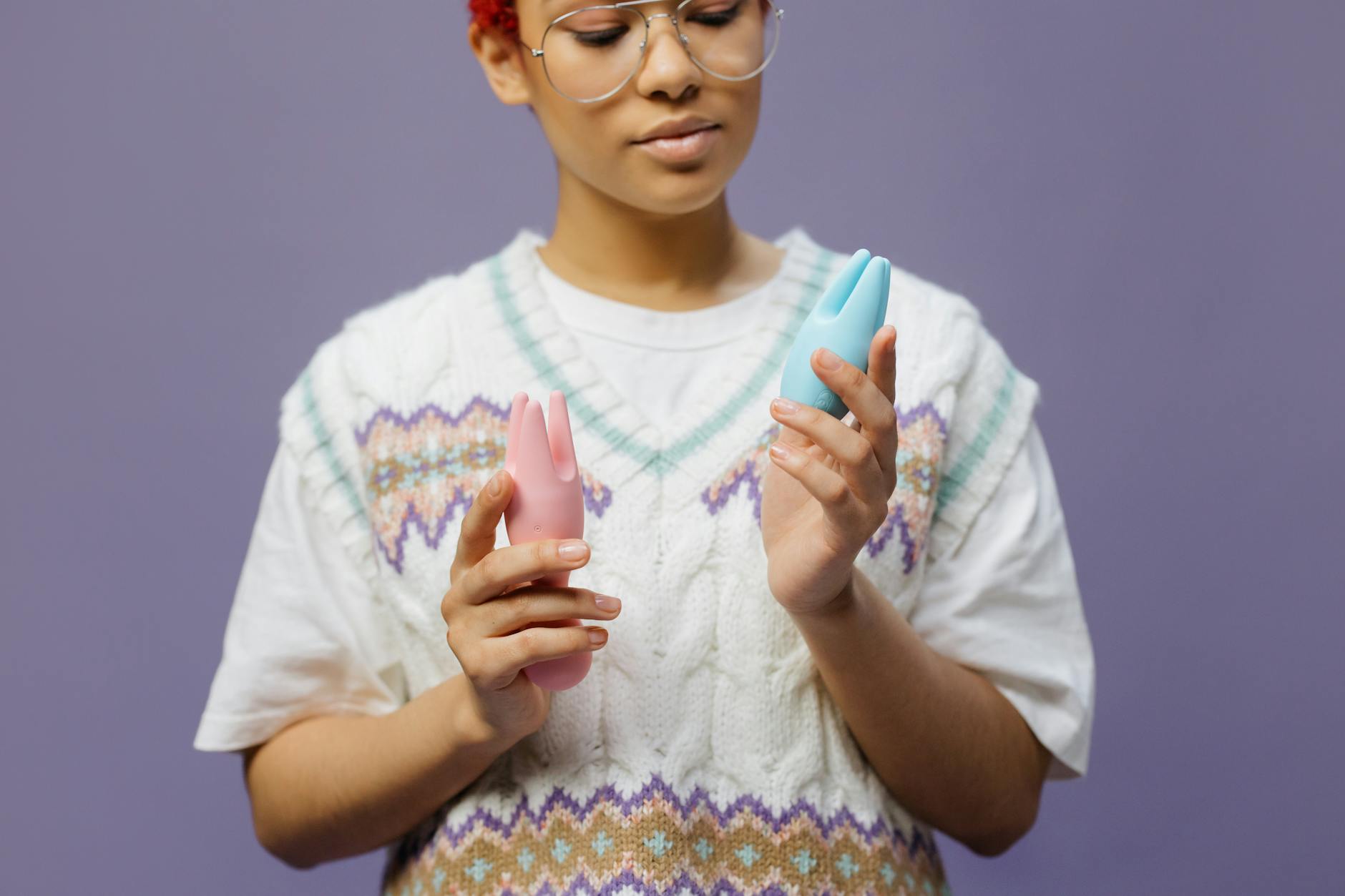
Photo by cottonbro studio on Pexels
The three main causes of numbness
Desensitization usually falls into one of three buckets.
Continuous, unchanging stimulation. You're using the same pattern, same intensity, same rhythm for too long. Your nervous system adapts because there's no novelty. This is the most common cause and also the easiest to fix.
Pressure and blood flow restriction. If you're pressing a vibrator hard against your clitoris for extended periods, you can actually compress the nerve endings and reduce blood flow to the area. Less blood means less oxygen, which means nerves fire more slowly. This isn't damage. It's just temporary numbness from compression.
Overstimulation fatigue. Less common but real: if you're using a high-intensity vibrator every single day for weeks, your nervous system can get genuinely fatigued. Your body needs recovery time.
Most people experience a combination of these. Once you identify which one is happening, the fix becomes obvious.
How to rebuild sensation immediately
Three strategies that work.
Change the pattern every 30 seconds. If you're using a lemon vibrator with multiple patterns, switch them constantly. Don't stay on pattern 3 for five minutes. Do 30 seconds of pattern 3, then jump to pattern 1, then 2. Your nervous system perks up because the input keeps changing. Sensation floods back.
Reduce pressure and increase coverage area. Instead of pressing the vibrator hard against your clitoris, hold it with just enough contact to feel it. Let the vibration do the work rather than your hand. A lemon clitoral vibrator's suction design actually excels here because the sensation is diffused across a wider area, which feels less numbing than direct, concentrated vibration.
Take breaks. Seriously. Thirty seconds of stimulation, ten seconds of rest. Or 45 seconds on, 15 seconds off. This isn't a delay. It's a reset. During the break, sensation rebuilds. You'll feel the next round of stimulation at full intensity. Many people find that this rhythm actually creates stronger, more satisfying responses overall.
Using a lemon vibrator specifically for desensitization
A lemon suction-style vibrator is genuinely useful here because the mechanism is different from traditional vibrators. Rather than relying purely on vibration, it combines gentle suction with targeted stimulation. This means you can use it longer before sensation dulls because your nervous system is processing multiple types of input simultaneously.
Here's how to use it strategically:
Start on the lowest suction intensity. You want to feel the sensation building, not overwhelming it from the start. Spend the first two minutes just getting used to the feeling. Don't chase orgasm yet. Let your nervous system acclimate.
Then shift patterns or intensity. If your lemon vibrator has multiple settings, use them intentionally. Move between them every 45 seconds. The variation is the entire point.
If you feel numbness starting to kick in, stop. Seriously, stop. Your body is telling you it's adapted. Take a one-minute break. You can keep going, but the sensation will be richer after the reset.
The medication and hormonal angle
Sometimes numbness isn't about stimulation patterns. It's chemical.
Certain medications dull sensation, especially SSRIs and some blood pressure meds. If you're on any medication that affects neurotransmitters or blood flow, numbness during sex might be a known side effect. This isn't failure. It's your body on a substance that changes neural firing.
Talk to your doctor before changing anything. But know that some medications are notorious for this, and sometimes switching timing (taking the pill at night instead of morning) or dosage can help. Some people also find that extending foreplay with a partner and a lemon vibrator helps compensate by engaging more of the nervous system.
Hormonal shifts also matter. Lower estrogen makes all tissue slightly less reactive. If you're post-menopause, nursing, or in a particular phase of your cycle, you might notice dampened sensation. It's temporary, but knowing it's hormonal helps you stop blaming yourself.
What numbness actually means for pleasure
Here's the thing that matters most: numbness doesn't mean you can't orgasm. It means orgasm might require a different approach.
Some people think that because sensation is dulled, pleasure is off the table. Wrong. You might just need to build arousal over longer time, use more varied input, or focus on mental engagement instead of just physical intensity.
If you feel disconnected from your body, numbness can actually feel worse than it is because the mental piece is layered on top. Separating those two is crucial. Numbness is a sensation issue. Disconnection is different and often needs a different response.
When to check in with a doctor
Numbness from stimulation adaptation? That's normal and reversible. Permanent numbness that doesn't improve with changes to stimulation pattern or a break? That warrants a conversation with a gynecologist.
Certain nerve conditions, diabetes, or pelvic issues can cause lasting numbness. But these are rare, and most people experiencing sensation dulls are just dealing with basic neural adaptation. A healthcare provider can rule out structural issues and help you troubleshoot if it's something else.
FAQ: Numbness and lemon vibrators
Why does my clitoris go numb after a few minutes of vibration?
Your nervous system is adapting to constant stimulation. When sensory input stays the same, your nerves stop responding at full intensity. It's a protective mechanism, and it's temporary. Changing patterns, reducing pressure, or taking brief breaks resets the adaptation instantly.
Can I permanently damage my clitoris with a vibrator?
No. You cannot permanently damage healthy clitoral tissue with a vibrator. Temporary numbness from overstimulation is real, but it reverses within minutes to a few hours. If you're experiencing lasting numbness beyond a few hours of rest, see a doctor to rule out other causes.
Does sensation come back if I use vibrators less frequently?
Yes, absolutely. If you're experiencing numbness regularly, taking a few days off from vibrator use lets your nervous system fully reset. Then when you use one again, sensation returns strong. Many people rotate between solo sessions without vibrators and sessions with them for this reason.
Is a lemon suction vibrator better than a traditional vibrator for numbness?
It can be. Because suction combines variable pressure with stimulation, your nervous system has more to process, which can reduce the dulling effect. But the real solution is varying any stimulus you use. A lemon vibrator with multiple patterns is more useful than a single-speed vibrator because the variation is built in.
If I use numbing cream, does that help with sensitivity?
Not in the way you'd want. Numbing products reduce sensation further, which defeats the purpose. You're trying to rebuild sensation, not reduce it. Skip topical numbing and focus on stimulus variation instead.
How long does it take for sensation to fully reset after numbness kicks in?
Ten to fifteen minutes of complete rest usually does it. Sometimes just two to three minutes if the numbness was mild. The longer you've been stimulating, the longer the reset might take. Some people find that sensation returns faster if they move to a totally different activity during the break, then come back to it.
The bigger picture
Numbness during pleasure isn't a failure of your body or your vibrator. It's your nervous system doing exactly what it's designed to do. The moment you understand that, you have power. You can change patterns. You can take breaks. You can use a lemon vibrator intentionally, shifting between its settings to keep sensation alive.
Your pleasure matters. The tools you use should support it, not feel like you're chasing something that's disappearing. If sensation keeps dulling, it's not a sign to give up. It's a signal to change what you're doing.
Have questions about restoring sensation or using a lemon vibrator effectively? Get in touch with us. We're here to help you navigate this.