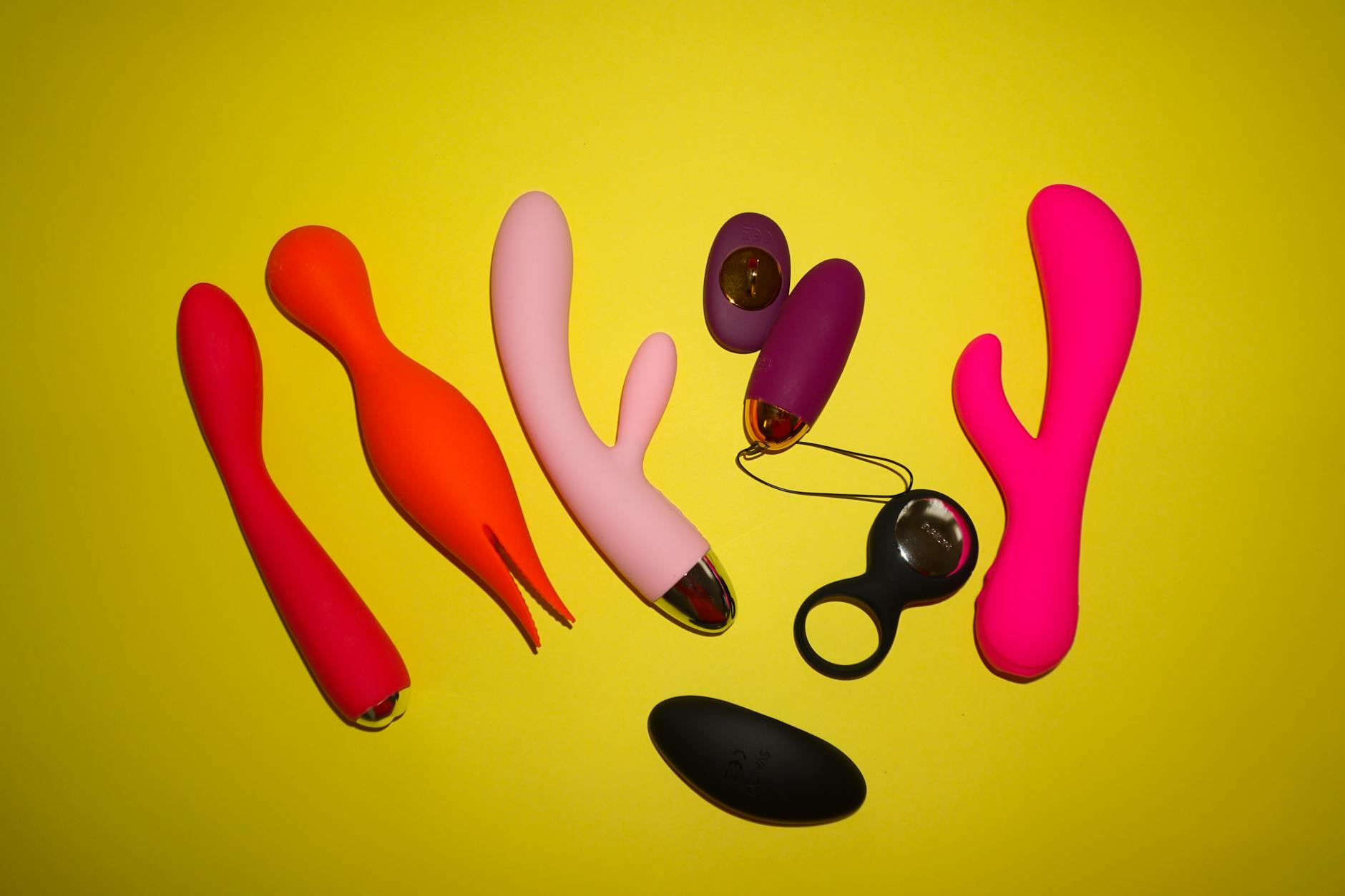
How to Use a Lemon Vibrator When You Have Reduced Clitoral Sensitivity
Numbness doesn't end pleasure. Learn the physiological reasons behind clitoral sensitivity loss and the exact techniques that rewaken sensation using air suction technology.
Let's be real. You've noticed your clitoris doesn't respond the way it used to. Touch that used to send electricity through your whole body now feels like someone tapping on your shoulder. It's frustrating, and it's way more common than you think.
The good news? Reduced sensitivity isn't a permanent switch flipped to off. It's a signal that something has shifted, and once you understand what, you can work with your body instead of against it.
Clitoral sensitivity loss usually comes from one of three places. Sometimes it's nerve-related. Repetitive stimulation over years, heavy pressure from the wrong kind of toy, or even cycling too aggressively can compress the pudendal nerve that feeds sensation to the clitoris. Other times it's vascular. Blood flow to the area drops due to stress, smoking, medication, or cardiovascular changes, and tissue gets less oxygen and less responsive.
The third cause is hormonal. Estrogen, testosterone, and even thyroid function affect tissue thickness and nerve sensitivity. If your hormones have shifted because of birth control changes, perimenopause, or medication adjustments, your clitoris genuinely feels different.
Here's what most people get wrong: they assume the clitoris itself is broken. It's not. The nerves and tissues are still there. They just need a different kind of stimulation to wake up.
This is where lemon vibrators and similar air suction devices actually shine. Vibration moves back and forth at high speed. It can feel amazing on a responsive clitoris, but on desensitized tissue, it can feel like background noise.
Air suction, though, works like this. The device creates a seal around the clitoris and then pulses gentle pressure. Instead of moving side to side, it's pulling upward and releasing. This engages different nerve pathways. Suction also increases blood flow dramatically to the area, which over time can restore sensation.
I've seen this clinically more times than I can count. Someone who hasn't felt much of anything in months uses a lemon clitoral vibrator for the first time and says, "Wait, I can actually feel that." It's not magic. It's just the right stimulus on the right nerve pathway.
Three weeks of consistent practice usually starts to shift things. Here's the protocol.
Week one: Light exploration. Use the lemon sucker on its lowest setting, 5-10 minutes daily. Focus on just noticing sensation without expecting an orgasm. This rebuilds the neural connection. You're essentially retraining your brain to recognize the signal.
Week two: Extend time and vary patterns. Move to 15 minutes, cycle through 2-3 different suction patterns. Your clitoris will start responding faster as blood flow improves and nerve endings wake up. Don't push to orgasm yet.
Week three and beyond: Gradual intensity. Once you're feeling something consistent, you can start moving to slightly higher intensities. But go slow. The goal is steady sensation rebuilding, not chasing a big finish.
This timeline varies wildly depending on what caused the numbness. If it's medication-related, you might see changes in days. If it's years of compression from pressure, it might take 4-6 weeks. Patience beats frustration every single time.
Here's something nobody talks about enough. A tight pelvic floor can genuinely reduce clitoral sensation. The muscles around the clitoris contract, restricting blood flow and nerve engagement.
If you've been stressed, anxious, or tense during sex (or just in general), your pelvic floor is probably gripping. Before using a lemon clitoral vibrator, spend 2-3 minutes doing pelvic floor relaxation. Breathe deeply, exhale slowly, and imagine the muscles under your pubic bone loosening.
You can also try this: during your session, if you feel yourself tensing up, pause. Breathe. Reset. Tension is the enemy of sensitivity return. Relaxation is the tool.
If you have a partner, this transition works better with communication. Tell them what's happening so they're not confused by your reduced response. Then ask them to use a lem vibrator on you for 10-15 minutes without expecting an orgasm.
There's something powerful about letting someone else control the device. It removes performance pressure entirely. You're just lying there, noticing sensation. For people rebuilding sensitivity, that mental shift matters as much as the physical stimulus.
After a partner session or solo session with a lemon sucker, you might notice increased sensitivity for hours. That's your nervous system integrating the experience. Rest into it.
If you're on antidepressants, antihistamines, blood pressure meds, or hormonal birth control, numbness could be a side effect. But don't stop taking anything without talking to your doctor. Instead, have a conversation about whether timing adjustments, dosage changes, or alternatives might help.
And if you're in perimenopause or menopause, topical testosterone creams are worth asking about. They increase clitoral sensitivity noticeably within 2-4 weeks. Applied directly, they have minimal systemic effects.
This is the part I emphasize most with clients. Reduced sensitivity often arrives with shame. You feel like your body is failing you, and then you get frustrated during sex, and that frustration makes everything worse.
Instead, treat sensitivity rebuilding like you'd treat healing from any injury. It's a process. You're not broken. A lemon vibrator or any good clitoral vibrator isn't a magic wand. It's a tool that works with your nervous system's capacity to relearn sensation when given time and the right kind of input.
Some people see shifts in two weeks. Others need two months. Both are completely normal. The key is consistency and forgiveness.
Yes, in most cases. The clitoral tissue and nerves don't disappear. They become less responsive, which is different. With targeted stimulation using tools like a lemon clitoral vibrator, consistent practice, stress reduction, and sometimes medical intervention, sensation typically returns to some degree. Full return takes time, but partial improvement often shows up in weeks.
Repetitive high-intensity vibration can desensitize the nerves that feed your clitoris. This is called vibratory numbness. It happens because those nerves get overstimulated and need a break. Switch to lower-intensity stimulation, try different types of sensation like air suction, and give yourself breaks between sessions. Many people find that a lem vibrator's gentler suction actually helps them recover from vibration fatigue.
Most people notice a measurable change within 2-4 weeks of consistent daily use, 10-15 minutes per session. Some feel a shift within days. Full restoration of pre-numbness sensitivity can take 6-12 weeks, depending on the cause. Medication-related numbness often improves faster than age-related or stress-related changes.
For most people with reduced sensitivity, yes. Air suction engages different nerve pathways and increases blood flow more dramatically than vibration alone. That said, some people need a combination. Start with a lemon sucker on low settings, then explore adding gentle vibration modes if your device has them.
Completely. Performance anxiety and frustration increase pelvic floor tension, which restricts blood flow and makes sensitivity loss feel more pronounced. The psychological piece is as real as the physical piece. Separating the conversation from whether something's "wrong" and instead treating it as a puzzle to solve helps a lot.
Talk to a gynecologist or pelvic health specialist. Persistent numbness can indicate nerve damage, circulatory issues, or hormonal imbalances that need clinical attention. You might also explore working with a pelvic floor physical therapist. They can assess whether tension or structural issues are contributing. At that point, a lemon clitoral vibrator is still a useful part of your toolkit, but it might need to be paired with other interventions.
Reduced clitoral sensitivity is frustrating, but it's fixable. Your body isn't failing you. It's sending a signal that something needs attention. A lemon vibrator, patience, and the right technique can rewaken sensation you thought was gone. Most of the time, pleasure isn't behind you. It's just waiting for the right approach.