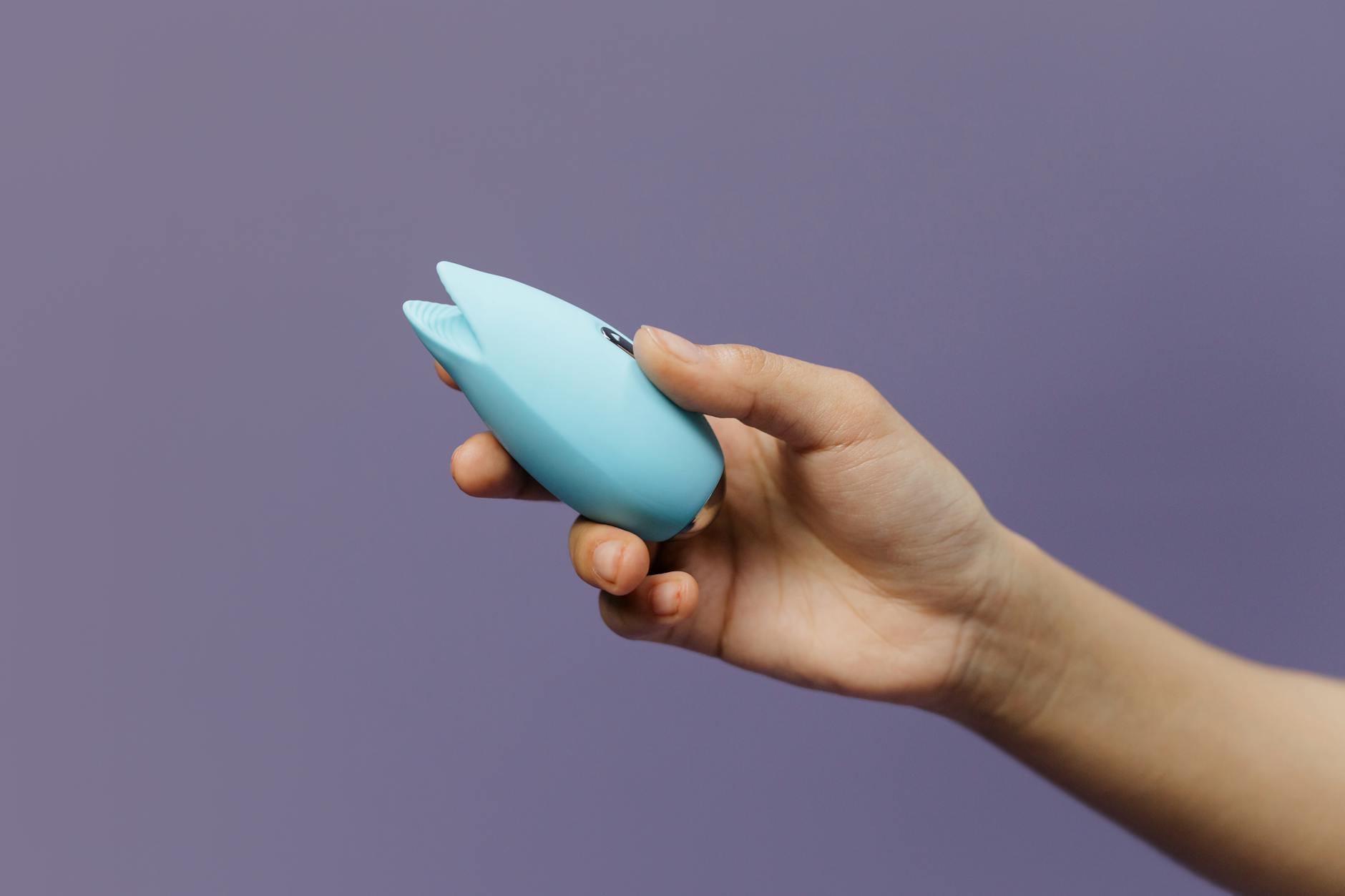
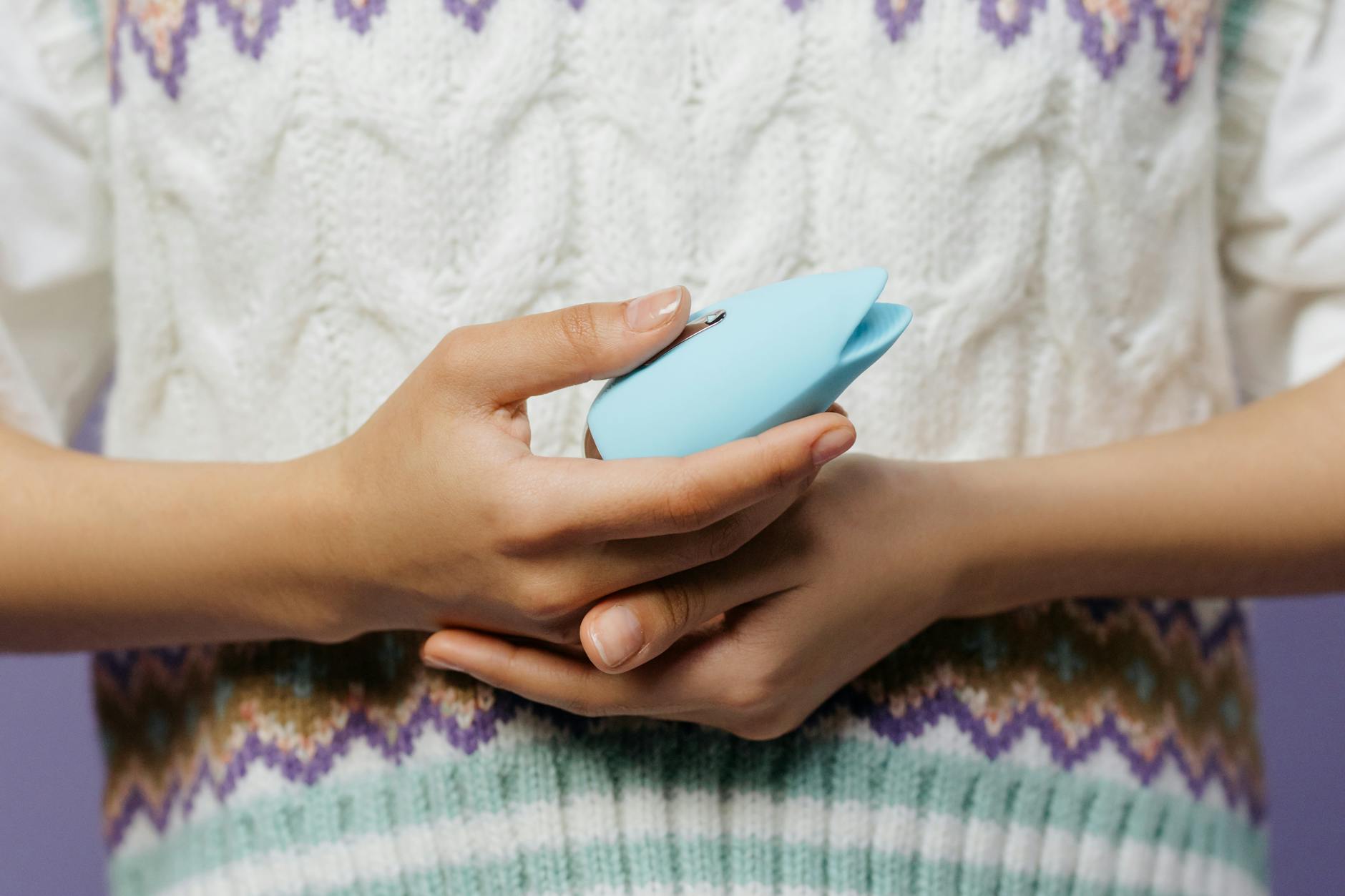
How to Use a Lemon Vibrator When Sex Hurts After Years of Avoiding It
When you've spent years stepping back from sex due to pain, rebuilding isn't about pushing through. It's about relearning what pleasure actually feels like on your terms.
You stopped having sex. Not because you wanted to, but because it hurt. After months or years of avoidance, the thought of trying again feels loaded with dread, not anticipation. Your body has learned a protective pattern: when sex is involved, tense up. That tension is real, it's smart, and it's also exactly what keeps pain alive.
Here's the part nobody tells you clearly: pain during sex after a long break isn't always about your anatomy. It's often about how your nervous system has reorganized itself around avoidance. A clitoral vibrator like those from Lemon Suction can interrupt that pattern, but only if you use it strategically.
Let's say you had a medical issue. A yeast infection, vaginismus, pelvic floor dysfunction, or hormonal changes. You treated it. Or maybe it resolved on its own. But by then, you'd already spent six months or two years saying no to sex. Your nervous system learned: penetration equals pain equals protect yourself.
Now penetration isn't the threat anymore. But your body doesn't know that yet. The neurons have already wired the response. Touch that area of your vulva, and your pelvic floor clenches automatically. It's not laziness. It's not lack of desire. It's neuromuscular memory.
Most people try to power through this. They attempt penetration, experience pain, and reinforce the exact pattern they're trying to break. A vibrator designed for external clitoral stimulation like a lemon clitoral vibrator can flip this dynamic.
1. No penetration required. You're working entirely externally at first. Your nervous system doesn't activate its pain alarm because there's no entry involved. You're literally teaching your body that touch in this area can feel good without any threat.
2. Consistent, predictable stimulation. Your own hand is variable. Some days you press harder, some days you're tense, some days the rhythm changes. A clitoral vibrator delivers the exact same pattern every time. Your nervous system loves predictability. It's calming.
3. Sensation bypasses the protective response. Vibration is a different sensory pathway than pressure or movement. Many people find that vibration feels completely different from the touch that caused pain. It's like your brain is encountering pleasure through a fresh channel.
Start here. Not with your partner. Not with any goal except sensation.
Week 1-2: Solo exploration, zero pressure. Pick a time when you're genuinely relaxed. Not right before bed when you're exhausted, not when you're thinking about your to-do list. Take 20 minutes alone. Start the vibrator on the lowest setting. Don't aim for the clitoris. Touch your thighs, your pubic mound, your labia externally. Let your body remember that vibration can feel neutral or good. Stop whenever you want.
Week 3-4: Direct clitoral contact, still low intensity. Once external vibration feels normal, try the lowest setting directly on your clitoris. Again, no performance goal. You're not trying to orgasm. You're trying to feel sensation. Many people find that the lem vibrator's suction technology is gentler and less intense than traditional vibrators, which can be helpful when rebuilding.
Week 5-6: Longer sessions, pattern play. Stay external, but explore. Try different patterns if your vibrator has them. Try different pressures. Notice what feels good, what feels neutral, what feels wrong. Trust the last one. Your body's discomfort is information, not failure.
Week 7+: Introduce your partner (if applicable). Let them know what you're doing and why. Show them the vibrator. Let them watch you use it, without pressure. If penetration eventually feels relevant again, it comes much later, after you've genuinely rebuilt external pleasure.
Your pelvic floor is learning to relax in the presence of sexual touch. Your nervous system is updating its threat assessment. Your brain is releasing dopamine in association with genital pleasure instead of anxiety. This isn't mystical. This is how neural pathways update.
Many people feel this shift between weeks 4 and 8. Suddenly arousal feels possible. The dread lifts. Not because you're pushing through pain, but because you've successfully taught your body that pleasure is available here.
Honestly, the hardest part isn't physical. It's guilt. You feel bad that you've avoided sex. You feel like you're letting your partner down. You feel broken. Most of these stories aren't true.
Your body protected you. That's its job. Now you're teaching it that protection isn't needed anymore, and pleasure is possible. That's not weakness. That's sophisticated nervous system work.
If you're partnered, how to use a lemon vibrator with a new partner can help you navigate that conversation. The short version: your partner benefits too. Rebuilding your pleasure matters to your intimacy, not just to you individually.
If pain persists even with external vibration, or if the pain is sharp or localized, see a pelvic floor physical therapist or your gynecologist. Sometimes there's an underlying issue that needs treatment. Vaginismus, vulvodynia, or endometriosis don't resolve through vibrator use alone.
If anxiety is the primary barrier, a therapist familiar with sex-related anxiety can help. The protocol above works best when your nervous system is genuinely ready to receive pleasure, not just intellectually willing.
Rebuild might take three months. It might take six. Your nervous system didn't learn avoidance in two weeks. It won't unlearn it in two weeks either. The timeline doesn't matter as long as you're moving. Progress looks like less dread. Less tension. More curiosity. More sensation. Those early wins count.
Start with vibration on clothing or through fabric. The buzzing sensation can still reach your nervous system without direct contact. Once that feels neutral, try very brief contact on skin at low intensity. You're not forcing anything. You're titrating the amount of input your system can handle.
Not if you're honest about why you're using it. Frame it correctly: "I need to rebuild my relationship with my own pleasure first." Most partners understand that rebuilding external pleasure makes penetrative sex better for both of you eventually. If your partner resists, that's a separate conversation worth having with a therapist.
There's no timeline. Some people find that after eight weeks of clitoral vibrator use, penetration feels possible and good. Others need more time. Don't rush back to the thing that caused the pain just to prove you're healed. Real healing means pleasure happens first, penetration comes later if it feels good.
Orgasm isn't the goal here. Sensation is. Comfort is. Nervousness becoming curiosity. If those are shifting, you're rebuilding correctly. Orgasm will either arrive or won't, and both are fine. You're teaching your nervous system that genital touch equals safety and feeling. That's the win.
No. Your nervous system learned an association. Vibrators are tools for updating that association. They're not a sign of dysfunction. They're actually a sign you're actively working on healing instead of just waiting for things to get better on their own.
They can absolutely participate, but probably not the way you think. Instead of them using the vibrator on you, have them present while you use it. Let them see what pleasure looks like on your face. Let them understand your body's actual responses without pressure to produce an orgasm or reach a goal. Presence and patience matter more than direct involvement early on.