Here's what nobody tells you about desire mismatch
Your partner used to want you. Now they don't, or barely do. That shift lands differently than a lot of other relationship problems because it feels personal, even when it often isn't. And somewhere in the shame of that, you stop touching yourself too, like your body deserves to be dormant until someone else decides to wake it up.
That's the moment a lemon vibrator becomes something more useful than a toy. It becomes a way to stay connected to yourself while you and your partner figure out what's actually happening.
The first thing to separate: desire drop isn't about you
I work with couples where one partner's libido has tanked. Almost never is it because their partner is less attractive. It's usually one of five things: stress, medication side effects, depression, hormonal shifts, or resentment that hasn't been named yet. Sometimes it's all of them at once.
What matters right now is that you understand the difference between "my partner doesn't want me" and "my partner is struggling with their own relationship to sex." They're wildly different problems with different solutions. And until you know which one you're dealing with, you're flying blind.
Using a lemon clitoral vibrator solo isn't a Band-Aid on a broken relationship. It's insurance that your body doesn't become collateral damage while you figure out what's going on.
Why a lemon vibrator specifically helps this situation
If you've never used a clitoral vibrator before, the suction-based design of a lemon vibrator is easier to relax into than you might expect. The suction pulls sensation inward, which means you're not chasing intensity by adding pressure. You can sit with lower patterns and let your nervous system gradually unwind.
That matters when you're carrying tension from rejection. Your body is probably armored right now. You might not feel much at first. A lemon vibrator's gentler patterns let you recalibrate without forcing an outcome.
Another reason: using a lemon clitoral vibrator solo is psychologically different from asking your partner to fix this. It removes performance pressure from both of you. You're not trying to turn them on. They're not trying to meet an expectation they can't hit right now. You're just maintaining contact with your own pleasure.
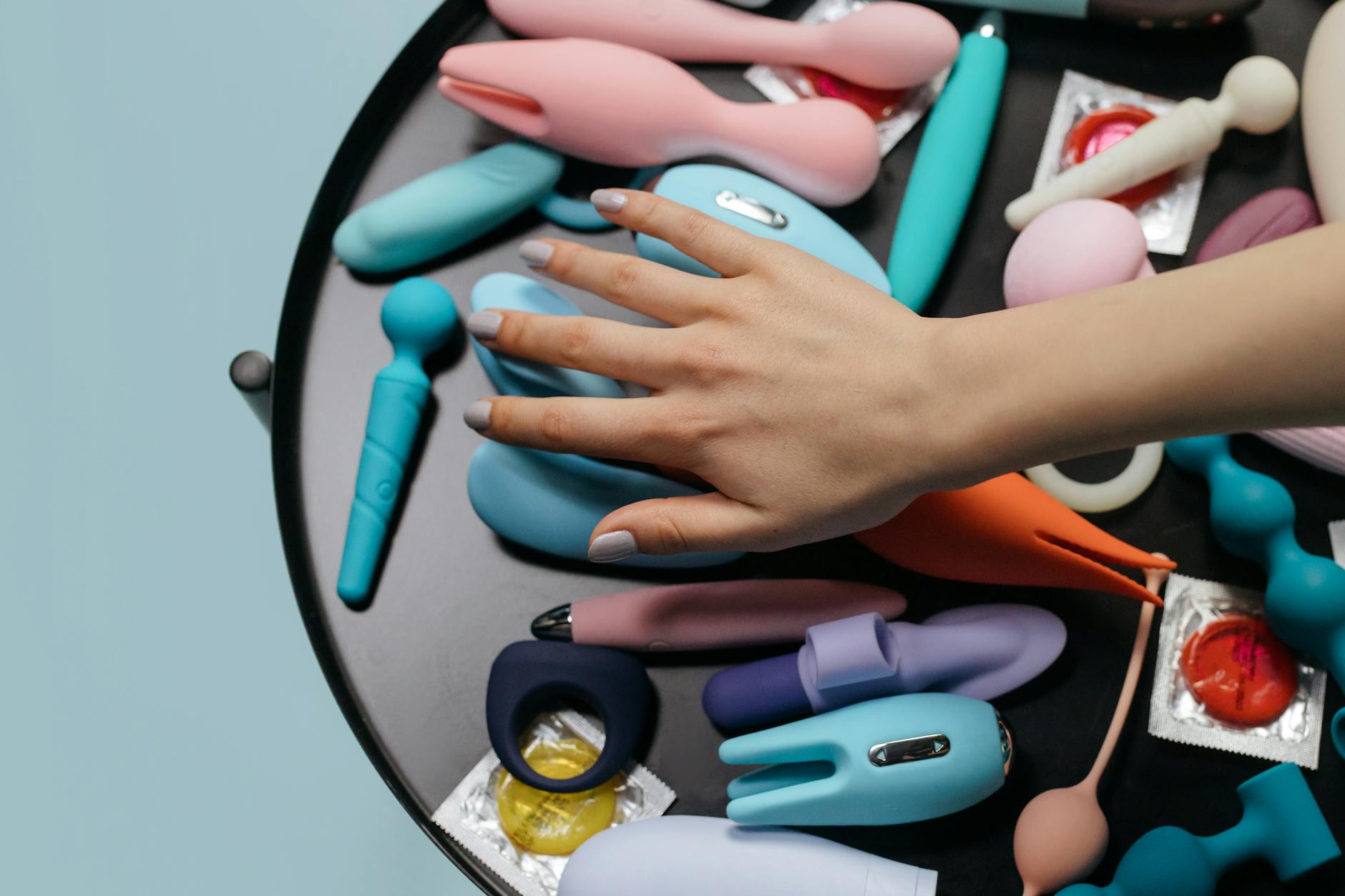
Photo by cottonbro studio on Pexels
Getting started with your lemon vibrator while navigating desire mismatch
Start small. You don't need elaborate setup or fantasy. You need 15 minutes when you're alone, your nervous system is relatively calm, and you're not trying to prove anything to anyone.
Begin on pattern one or two. The point isn't orgasm right now. The point is sensation. Let yourself feel what your body is capable of without an audience or an expectation. Many people who've felt rejected find that their first few sessions with a lemon vibrator are less about pleasure and more about grief. That's normal. Cry if you need to. Your body is grieving something real.
Over time, and this might take weeks, your relationship to your own pleasure will start to separate from your partner's disinterest. You'll realize that your capacity for feeling good isn't actually tied to whether they want you. It's tied to whether you want you.
That shift changes everything in your partnership, by the way. Not because you stop caring what your partner thinks, but because you stop making their desire the only permission slip for your own.
The conversation you need to have (and when)
Don't mention the lemon vibrator yet. First, you need to understand what's actually happening. Is your partner dealing with depression? Have they started new medication? Are they stressed at work? Did something happen between you two that hasn't been addressed?
Ask: "I've noticed things have shifted between us. I'm wondering what's going on for you." Make it safe to tell the truth. Don't blame. Don't defend. Just listen.
Once you understand the picture, you can decide what comes next. If it's depression or medication side effects, the solution involves a doctor, not a relationship fix. If it's resentment, you need couples therapy or a serious conversation about what's been left unsaid. If it's a loss of attraction, that's harder and worth professional support too.
The lemon vibrator sits in the background during all of this. It's not a substitute for the real conversation. It's your way of staying alive in your body while the conversation happens.
When to integrate your lemon vibrator into partnered time
Some couples find that introducing a clitoral vibrator into their intimate time actually helps. Not as a replacement for their partner, but as a tool that removes pressure from both of them. Your partner doesn't have to bring you to orgasm. You get to have a different kind of pleasure. Everyone wins.
But that only works if you've had the honest conversation first. If you pull out a lemon vibrator without context, it can feel like you're saying "you're not enough." That's not what you mean, but that's what they'll hear.
Once you've named the issue and you're working through it together, a vibrator becomes a bridge instead of an indictment. You might explore how to use it together, or you might find that knowing you're taking care of your own pleasure reduces the pressure your partner feels during sex. Either way, it's not about avoiding the real problem. It's about building the infrastructure to have better sex while you fix the real problem.
What happens if the desire gap never closes
Sometimes you have the conversation, you go to therapy, you try everything, and your partner's libido still doesn't return. That's information too. It tells you something about the viability of this relationship for you.
A lemon vibrator doesn't solve that. But it does buy you time to figure out what you actually want. It keeps you from becoming numb. It keeps your body from becoming a place of shame. And it reminds you that your pleasure matters even if your relationship is struggling.
If you decide to stay, maintaining your own pleasure through a clitoral vibrator helps you stay connected to yourself and your partner instead of turning bitter. If you decide to leave, at least you're leaving with the knowledge that you tried, that you understood the problem, and that you protected your own capacity for pleasure in the process.
The practical setup: solo sessions with your lemon vibrator
You don't need candles or special circumstances. You need five things: privacy, a few minutes, water-based lubricant, your lemon vibrator, and the permission to feel whatever comes up.
Start in a comfortable position. Lying down works. Sitting works. The point is that your nervous system isn't tense from holding a weird posture. Apply lube. Start on a low pattern. The suction design means you're not chasing intensity by pressing harder. The sensation pulls inward, which is usually gentler than you expect.
If nothing happens the first time, that's completely normal. If grief or anger comes up instead of pleasure, that's also normal. Stay with it. Your body is processing something real.
Over weeks of gentle, solo exploration, most people find that their capacity for pleasure comes back online. You're not getting over the rejection. You're learning that your body's ability to feel good exists independently from whether your partner wants to touch it.
That's the real work. And that's why a lemon vibrator, used with honesty and patience, can be more valuable than you'd think.
FAQ: Desire mismatch and your lemon clitoral vibrator
Will using a lemon vibrator make my partner feel worse?
Not if you've had the conversation first. If you're using a vibrator secretly while avoiding the real issue, yes, that adds distance. If you're using it as part of a conscious decision to maintain your own pleasure while you and your partner work on the actual problem, it usually feels different to them. They often feel less pressure, not more.
How long until I feel pleasure again after rejection?
This varies wildly. Some people reconnect to sensation within a few weeks. Others take months. The timeline isn't linear. You might have a great solo session and then feel numb again the next day. That's not failure. That's processing. Stay consistent and patient with yourself.
Should I tell my partner I'm using a lemon vibrator?
Eventually, yes, if you're trying to rebuild connection. But only after you've named the real problem and you're actively working on it together. The timing matters. An unexpected vibrator can feel like an attack if trust is already fractured.
What if using a lemon vibrator makes me want sex less with my partner?
That's actually useful information. It might mean you're protecting yourself from repeated rejection. Or it might mean that solo pleasure with a vibrator is reminding you that you deserve better. Both are worth exploring in therapy.
Can a lemon vibrator actually improve a sexless marriage?
No. It can improve your relationship with yourself. But the actual marriage requires conversation, possibly professional help, and your partner's willingness to engage. A vibrator is a tool for you, not a solution for the relationship.
What if my partner wants to use the lemon vibrator with me?
That's a good sign, usually. It often means they're open to finding a different way to connect physically. Some partners use it during oral sex. Others enjoy watching. The key is that you're doing it together, with communication, not as a replacement for the real conversation about desire.
One more thing
Your body didn't stop deserving pleasure when your partner's desire dropped. Neither did your right to understand what's happening and to make a choice about whether this relationship works for you. A lemon vibrator can't fix a broken partnership. But it can keep you alive in your body while you figure out if this one is worth saving.
If you're ready to have the real conversation, reach out for support. A marriage therapist or counselor can help you understand what's actually happening and whether there's a path forward. Your pleasure matters. Your partnership matters. Both of those things can be true at the same time.