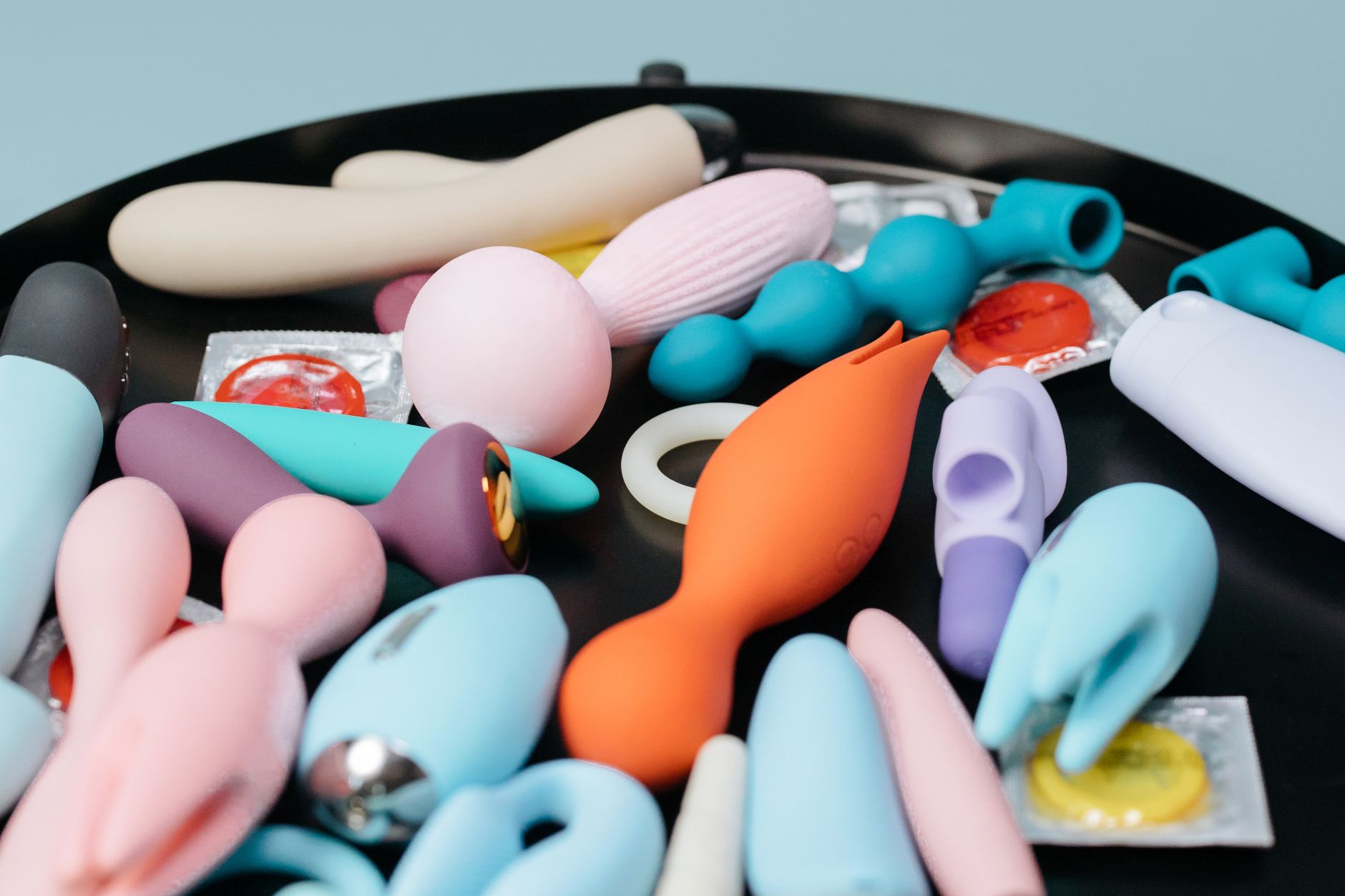
Let's be real about desire mismatch
Your partner reaches for you more often than you reach for them. They initiate, you respond. Sometimes you respond enthusiastically. Sometimes you respond because you feel obligated, guilty, or like you're supposed to want this right now. That gap between their desire and yours isn't a relationship failure. It's one of the most common patterns in long-term partnerships, and it creates a specific kind of pressure that kills arousal even further.
Here's the thing nobody tells you: solo pleasure during desire mismatch isn't selfish. It's actually the bridge back to mutual desire.
Why solo exploration matters when initiation feels unbalanced
When your partner keeps asking and you keep declining or performing, your nervous system learns to associate sex with obligation. Your body starts tensing up at their touch because on some level, you know what's coming. You're bracing instead of opening.
Using a lemon clitoral vibrator on your own does something different. It separates pleasure from performance. It separates your arousal from theirs. You're not trying to match their timeline. You're not managing their disappointment. You're just exploring what actually turns you on, at your own pace, with zero pressure.
That's how you rebuild desire. Not by forcing yourself into sex you don't want. By remembering what pleasure feels like when it's entirely yours.
The pressure paradox: why solo play helps with partnered sex
I work with couples all the time where one partner is initiating constantly and the other is withdrawing. The withdrawing partner usually says something like, "I feel so pressured that I don't want sex at all anymore." That's not loss of desire. That's anxiety masquerading as low libido.
When you use a lemon vibrator alone, you're doing two things simultaneously. First, you're reminding your body that pleasure exists independent of your partner's schedule. Second, you're taking the pressure off them to make you want them.
People with higher desire often escalate their initiation because they're worried the relationship is dying. They don't realize that constant initiation is exactly what kills arousal in the other person. It becomes a feedback loop. More initiation equals more pressure equals less desire equals more desperation from the initiating partner.
Breaking that loop requires someone to step out of it. That's you, alone, with your lemon vibrator.
How to integrate solo play into a desire-mismatched relationship
This is where honesty matters. You don't need to narrate every solo session, but your partner should know you're actively working on your own arousal. Not for them. For you. The distinction is everything.
You might say: "I'm noticing the pressure is actually making it harder for me to want sex. I'm going to spend some time exploring on my own, no pressure from anyone. This isn't about you not being enough. It's about me learning what actually turns me on right now."
That conversation often shifts something in the partner with higher desire. Suddenly they realize they've been transmitting desperation instead of desire. They feel less rejected because it's clear you're not rejecting them, just opting out of the pressure dynamic.
Then you start using your lemon vibrator regularly. Not secretly. Openly. Your partner might even feel relieved.
Timing and frequency: building your own rhythm first
Start with twice a week, minimum. Pick times when you won't be interrupted and when you're not immediately after declining your partner's initiation. You don't want this to feel like punishment or rejection. You want it to feel like self-care that belongs to you.
Begin with the lower settings on your lemon clitoral vibrator. You're not trying to have the fastest orgasm possible. You're rewaking your nervous system to pleasure. Pay attention to what actually turns you on without your partner's voice in your head. Fantasies you didn't know you had. Sensations that make you gasp. The specific pattern on your lemon vibrator that makes you lose track of time.
Most of my clients find that after 3-4 weeks of consistent solo exploration, their desire to initiate with their partner starts returning. Not because they're obligated to. Because they remember what arousal actually feels like when there's no pressure attached.
The conversation after you've rediscovered your own pleasure
Once you've spent a few weeks rekindling your solo arousal, things shift. Your partner might notice you seem more relaxed. You might feel less resentful when they approach you. You might even start initiating occasionally.
That's when you can have a different conversation. Not "we need to fix this," but "I'm feeling more interested in us again. Here's what helped." You can tell them that when they give you space to explore your own desire, you naturally want to share desire with them more often.
This is also a good moment to talk about what kind of initiation actually works for you. Maybe it's less direct asking and more slow building. Maybe it's them creating space for you to feel wanted without immediately expecting sex. Maybe it's them touching you in ways that feel less performative and more playful.
Your lemon vibrator gave you the information you needed about your own body. Now you're sharing that information with your partner in a way that helps both of you.
When to involve your partner in your solo practice
This is entirely optional. Some people find it helpful. Some prefer to keep solo play solo.
If you want to include your partner, you might start by letting them watch you use your lemon vibrator. No pressure to perform. Just showing them what you discovered about yourself. This often helps partners with higher desire understand that your low initiation has nothing to do with lack of attraction and everything to do with needing your own space to build arousal.
Other couples find it works better to use the lemon vibrator together but without penetration or direct partnered sex. You're sitting together, both exploring, both present, but each person's pleasure remains their own. That middle ground often helps couples reconnect without the pressure dynamic.
The key is that your partner understands: this is about you getting your body back online. Not about them being replaced or rejected.
Managing expectations when progress isn't linear
Here's what usually happens in month two or three: you start wanting sex more, so you initiate a few times. Your partner gets hopeful that the libido is back permanently. Then you have a stressful week and your desire drops again. Your partner feels rejected again. You feel pressured again.
This is normal. Desire isn't a light switch. It's responsive to stress, hormones, emotional connection, and a thousand other variables. Using your lemon clitoral vibrator doesn't make you permanently high-desire. It just makes you able to access pleasure on your own terms.
Let your partner know that ups and downs are part of the actual pattern. "This week I'm feeling less interested. That's not rejection. That's just how my body works. I'll keep exploring solo and we can reconnect when I'm feeling it." That's radically more honest than forcing yourself into sex you don't want or pretending the mismatch is solved.
The deeper work: why desire mismatches happen in the first place
Sometimes mismatched initiation is just biology. Sometimes it's stress. Sometimes it's resentment that has nothing to do with sex. Your partner might initiate more often because they need reassurance. You might initiate less because you're depleted or angry about something unrelated.
Using a lemon vibrator helps with the biological and psychological parts. But if there's a deeper relational issue, the sex itself won't fix it. You might need to have a conversation about what's actually happening underneath the initiation mismatch. Are you angry about housework division? Do you feel unseen emotionally? Is your partner's initiation actually a way of avoiding intimacy because sex feels safer than vulnerability?
A good couple's counselor can help you untangle this. Your lemon vibrator is the tool that buys you time and space to figure it out without resentment building further.
Getting started: practical steps this week
Pick a time when you won't be interrupted. Could be after your partner goes to bed, during a quiet morning, or any time that feels natural. Grab your lemon vibrator and spend 20-30 minutes exploring. Start low. Pay attention. Notice what actually turns you on without anyone else's desire in the room.
Do this twice this week. Then once you've done it a few times, have the conversation with your partner. Not apologetic. Not defensive. Just honest: "I'm noticing that pressure is making things harder. I'm going to spend some time solo to get to know my own body better. This is about me, not about us."
Then keep going. Because rediscovering your own desire isn't a one-time thing. It's a practice that actually makes partnered sex better when it does happen.
People also ask
Is it normal for partners to have different levels of sexual desire?
Completely normal. In fact, studies on long-term couples show that some degree of desire mismatch is present in the vast majority of relationships. The key difference isn't whether the mismatch exists, but how both partners respond to it. When the lower-desire partner feels safe and non-pressured, desire often naturally increases. When they feel constantly pursued, it tends to decrease further. This is why solo exploration with a tool like a lemon clitoral vibrator can actually improve partnered desire.
Will using a lemon vibrator on my own make my partner feel replaced?
Not if you communicate clearly. Your partner might initially feel insecure, which is worth acknowledging. You can say something like: "This isn't about you not being enough. It's about me understanding my own body better so I can meet you with more authenticity when we're together." Many partners actually feel relief when they understand that solo exploration reduces pressure on them to magically create desire that isn't there. The responsibility shifts from "make me want you" to "both of us taking care of our own arousal."
How often should I use a lemon vibrator when I'm trying to rebuild desire?
I generally recommend starting with twice weekly sessions, roughly 20-30 minutes each. This is frequent enough to create a new neural pathway around pleasure, but not so frequent that it becomes another obligation. The goal isn't to get addicted to your lemon vibrator. It's to use it as a tool to help your nervous system remember what genuine arousal feels like without pressure. After a few weeks, you can adjust based on what your body needs.
What if my partner finds out about my solo play and feels hurt?
That's actually an opportunity for deeper conversation. Their hurt often comes from insecurity ("They prefer the toy to me") rather than from the actual behavior. You can address this by being specific: "This isn't about preference. It's about learning my own body so I can be more present with you. I actually want us to be better together, and this is how I'm working toward that." Some couples even find that solo play becomes a bridge back to partnered sexuality when communication happens first.
Can a lemon sucker vibrator really change desire mismatch?
It's not magic, but it's surprisingly powerful. A lemon vibrator gives you back agency over your own pleasure, which is often the missing piece in desire-mismatched relationships. When you're using a lemon clitoral vibrator consistently, you reconnect with what arousal actually feels like independent of obligation. That shift in your nervous system often naturally decreases resentment and opens space for partnered desire. It's not that the vibrator creates desire. It's that removing pressure and reconnecting with your own body removes the barrier to desire.
Should I tell my partner exactly when I'm using my lemon vibrator alone?
That depends on your relationship culture and comfort level. You don't need to report every session like a schedule. But your partner should know that you're doing this regularly and what you're doing it for. Some couples find it works better to say, "I'm going to take some solo time tonight," without graphic detail. Others are more explicit. The point is that it's not secret or hidden, which prevents it from becoming a source of shame or additional distance.
Your pleasure is the starting point
Desire mismatch in long-term relationships feels like a personal failing on one or both sides. It's not. It's a signal that the current dynamic isn't working. Solo exploration with a lemon clitoral vibrator gives you a way to step out of that cycle and remember what your own arousal feels like.
That reconnection doesn't guarantee your partner will suddenly match your initiation frequency. But it does give you back something crucial: your own pleasure, independent of anyone else's need or timeline.
Start there. Everything else becomes easier once you remember what turns you on.