Here's what nobody tells you about orgasm timing
One of you finishes in five minutes. The other needs twenty. This is not a problem to solve. It's a rhythm to navigate. Most couples frame it as a mismatch. I frame it as an opportunity to stop performing and start connecting.
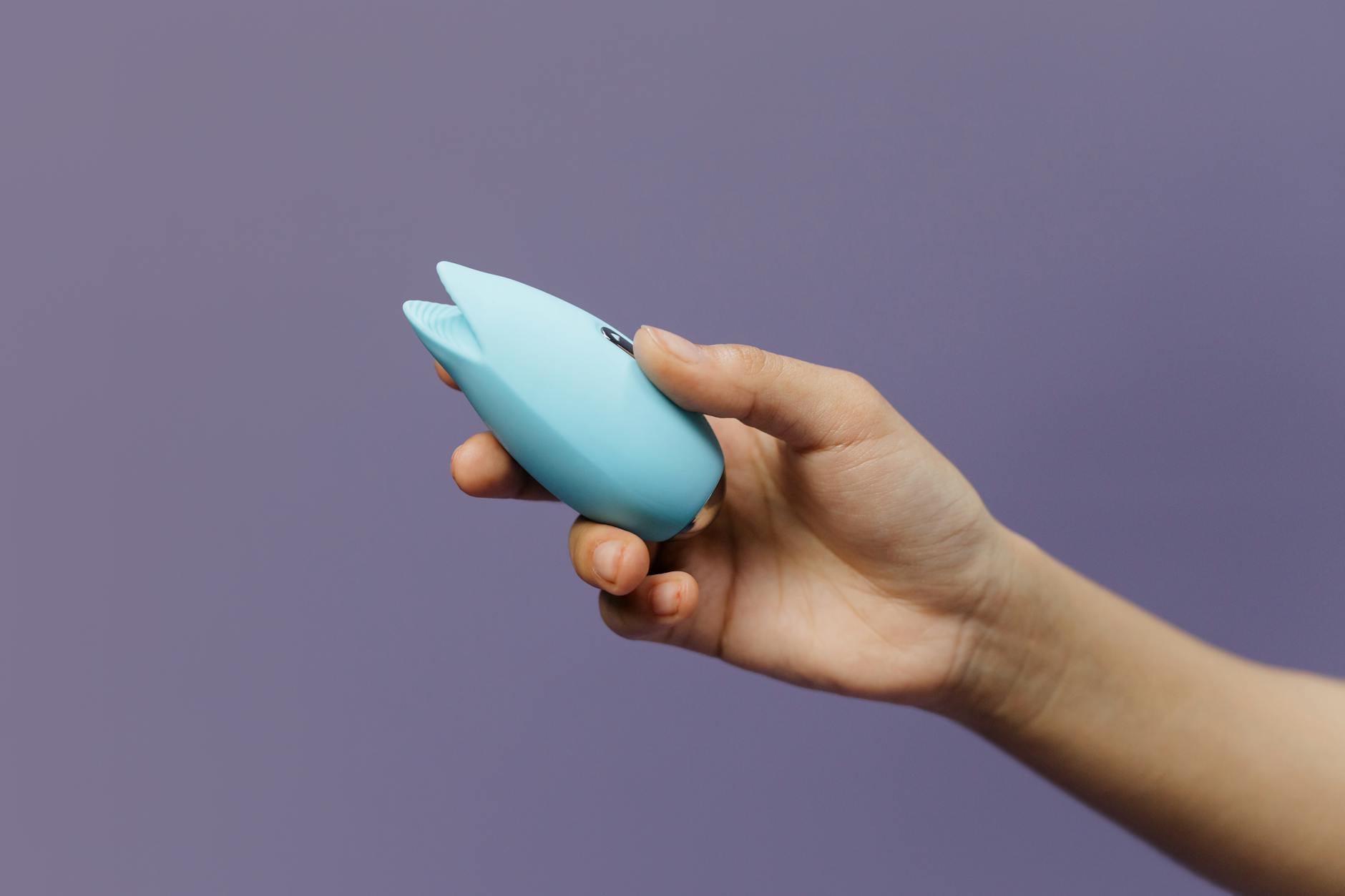
A lemon vibrator changes this conversation entirely. Instead of one person waiting or faking, both people get what they need at the same time. That's not a compromise. That's actually better.
Why orgasm speed varies between partners
There are no universal rules here. Some people with vulvas reach climax in two minutes with the right stimulation. Others need forty-five. Some with penises last forever. Some don't. Testosterone, pelvic floor sensitivity, past sexual experiences, medication, stress levels, and even how well you slept last night all shift the timeline.
What's wild is that most couples think this variation means something went wrong. One partner feels too slow. The other feels rushed. Both end up in their heads instead of in their bodies.
Reality check: faster is not better. Longer is not better. What works is when both people are actually present for what's happening instead of anxious about the clock.
The orgasm gap and why it creates resentment
When there's a significant speed difference, several things happen in sequence. The faster person finishes and then feels obligated to wait, touch, or perform enthusiasm they don't genuinely feel anymore. The slower person feels the clock ticking, which tanks arousal instantly. Neither person is having fun. Both are performing.
Over time, this loops back on itself. The slower person starts avoiding sex to avoid that feeling of being "behind." The faster person feels rejected and stops initiating. What started as a timing difference becomes a relationship conflict because you made it mean something about desire or compatibility. It doesn't.
How a lemon vibrator solves this without performance pressure
Let's say they need five minutes and you need twenty. Here's what changes: they can bring a lemon clitoral vibrator into the mix during foreplay or at the moment they're close. The vibrator gives them exactly the intensity and consistency they need to climax on their timeline. You keep doing what you're doing. Both of you finish around the same moment. No waiting. No performance. No resentment.
This works because a vibrator isn't a replacement for partnership. It's a tool that lets both of you stay present instead of disassociating into anxiety. When you're both actually there, sex feels like connection instead of logistics.
The best part: once the pressure is off the "finish line," sex often becomes longer and richer anyway. When you're not racing, you notice what you actually enjoy. You slow down. You breathe. That's when things get genuinely good.
The conversation you need to have first
Before you bring a vibrator into bed, you need to talk about why. Not during sex. Not in the moment. In a regular conversation, clothed, maybe over coffee.
The wrong framing: "I'm bringing this because you're too slow." This lands like criticism and it is.
The right framing: "I've been thinking about how we could both feel less pressure during sex. What if we used a toy that let us both get what we need without either of us having to perform or wait?" This is an invitation, not an indictment.
Listen to what they say. If they're hesitant, ask what the hesitation is. Sometimes it's not about the toy. It's fear that the vibrator means you're not satisfied with them. That's worth addressing separately. Sometimes it's shame. Sometimes it's just newness anxiety. None of these disappear if you just bring the vibrator without talking first.
Using a lemon vibrator when speed differences show up
Timing matters here. You can introduce it during foreplay while you're both still building arousal, or when you're inside each other and one person is approaching climax. The second option tends to feel more integrated. It's not a separate thing you're doing. It's part of what's already happening.
If they reach climax much faster: They can use the vibrator on themselves while you're together, or you can hold it and bring it in when they're close. Either way, they're not waiting for you afterward because you're both finishing at roughly the same time.
If you reach climax much faster: You can use the vibrator on yourself while they're still building, which keeps you engaged without getting restless. Or they can use it on you after they finish, which gives you both something to do that feels collaborative.
The rhythm you'll develop is: less rushing, more presence, more actual pleasure. A lemon clitoral vibrator is just the tool that makes that possible without either of you having to white-knuckle through it.
When intensity differences matter as much as speed
Sometimes the gap isn't about how long it takes. It's about how strong the stimulation needs to be. One person needs firm, consistent pressure from a vibrator. The other finds that painful or overstimulating.
A lemon vibrator is designed to give you multiple intensity levels. Start lower and work up as arousal builds. This means both of you can use the same toy and still get what you need. One person can keep it at pattern two while the other goes up to four or five. You're both there, both engaged, both finishing without compromise.
If one person needs penetration and the other needs clitoral focus to climax, the vibrator bridges that too. You can be together and both experience what your body actually needs to finish, instead of one person getting what they want and the other person adapting.
The communication that keeps this working
After the first time using a vibrator together, check in. Not "was that good?" in a performance way. More like "how did that feel for you?" and "is there anything you'd want to change next time?" This keeps it about collaboration instead of evaluation.
Some couples find that once the pressure is off, they don't always need the vibrator anymore. The presence and connection it created spills over into regular sex. Other couples find they want it every time and that's completely fine too.
What matters is that you're both actually present instead of both in your heads. A lemon vibrator makes that easier because it takes the performance component out and replaces it with actual touch, actual communication, actual shared pleasure.
The thing about pleasure matching
Your bodies were never meant to be identical. One person's nervous system is faster. One person's pelvic floor is tighter. One person has been through experiences that shift what they need. Trying to force your pleasure timelines to match is like trying to force two different songs to play at the same tempo. It doesn't work and both songs sound worse.
Using tools, communication, and patience to meet each other where you actually are? That's where real partnership lives. A lemon vibrator isn't a band-aid. It's an acknowledgment that you both deserve to feel good without performing.
FAQ: Orgasm timing and toys
Can using a vibrator during partnered sex create dependency?
No. What creates dependency is relying on any single stimulus to the exclusion of everything else. But varied stimulation, including vibration, actually increases your nervous system's flexibility. Your body learns it can climax in multiple ways, which is the opposite of dependency.
What if my partner feels inadequate if I use a vibrator during sex?
This is the real conversation, not the vibrator question. Their feeling inadequate probably existed before the toy. A vibrator just made it visible. Address that separately. You might say: "The vibrator isn't because you're not enough. It's because my body needs something specific that I can't give myself while we're together. That has nothing to do with your value." Then listen to what they actually fear.
Is it weird to use a lemon clitoral vibrator if we've been together for years?
Not even a little. Actually, long-term couples often benefit most because you already have trust and communication. You're not inventing new patterns. You're refining existing ones. Some of the best partnerships introduce toys after a decade specifically because they're comfortable enough to say "let's try something new" without it feeling like failure.
How do I bring this up without it sounding like criticism?
Timing and framing. Not in the moment, not after unsatisfying sex, and not as "we need to fix this." Try: "I've been thinking about how we could both feel more relaxed and present during sex. What would that look like for you?" Listen first. Then suggest tools if it feels right.
What if they say no?
Then it's no. But ask why. Is it the toy itself? Fear about what it means? Lack of information? Shame? Religious or cultural beliefs? Those are different conversations with different answers. Respect the no. And know that sometimes, later, they'll ask about it themselves.
Does using a vibrator mean we're not compatible sexually?
Actually the opposite. Compatible means you're willing to problem-solve together instead of one person suffering in silence. Using a vibrator together is evidence that you care enough to figure out how both of you can feel good. That's compatibility.
The closing thought
Your bodies are not the same. They never will be. Stop trying to make them match. Instead, build a practice where both of you get what you need without one person performing and the other person waiting. A lemon vibrator is one tool for that. Communication is the actual tool. The vibrator just makes it easier.
Want to talk through how this might work in your specific situation? Reach out at /contact and we can work through it together.