The thing nobody tells you about desire timing
Frequency mismatch isn't a sign your relationship is broken. It's a sign you're two different humans with two different nervous systems, stress loads, and body rhythms. One of you has higher baseline desire. The other isn't withholding to be difficult. You just genuinely want sex at different cadences.
The problem isn't the mismatch. The problem is what most couples do about it: negotiate until someone feels obligated or guilty, then resent that obligation quietly for months.
Why this matters more than you think
Here's the data that shifts perspective. Research on couples satisfaction shows that frequency mismatch ranks in the top three relationship stressors, but not because mismatched couples have less sex. They have less satisfying sex. One partner feels pressured. The other feels rejected. Both feel resentful. The sex that does happen is tense, rushed, or mechanical.
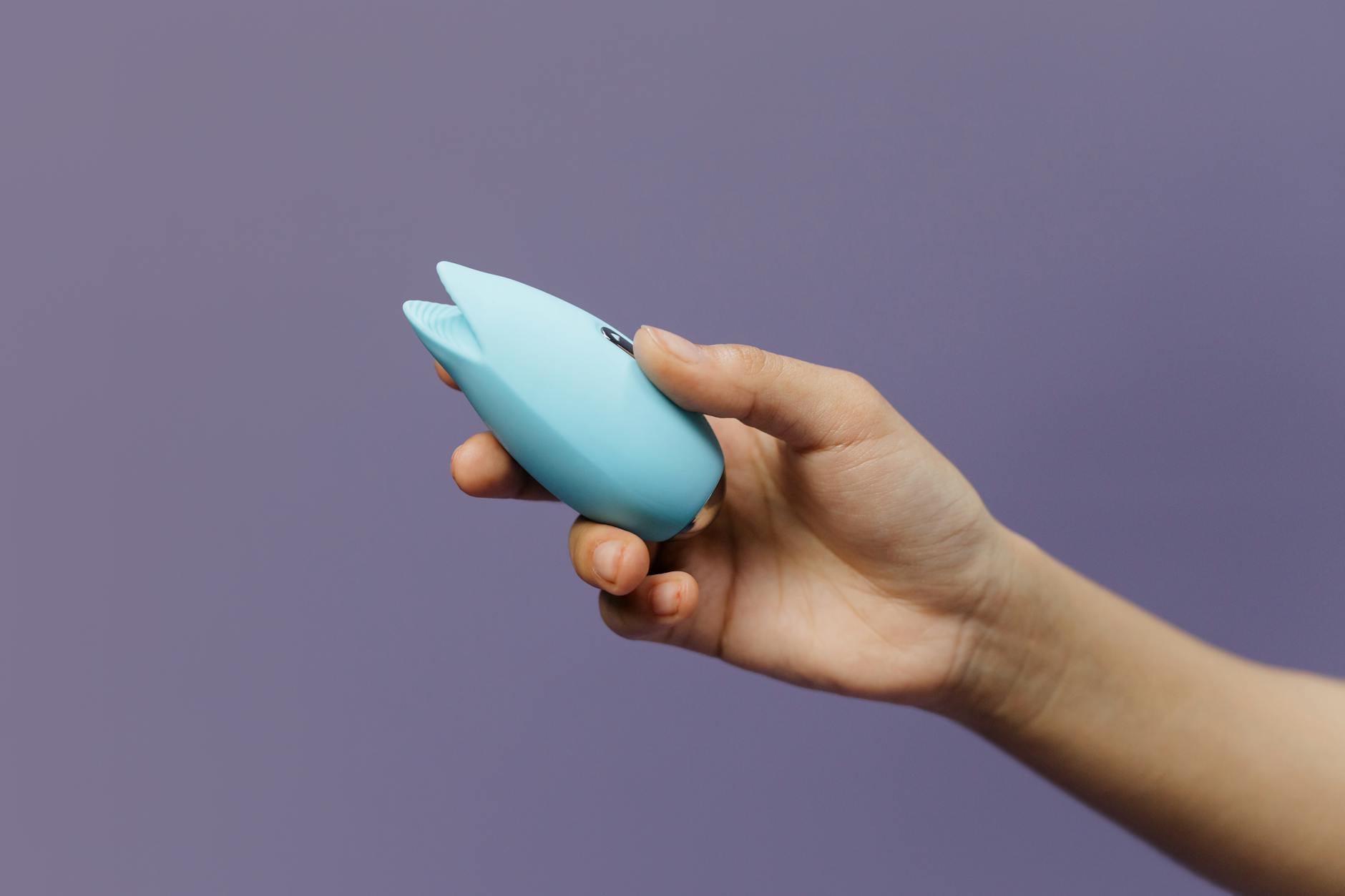
Add a tool like a lemon clitoral vibrator into the picture, and the entire dynamic changes. Not because it replaces partnered sex. Because it takes the pressure off both of you.
The actual problem you're solving
Let's separate what's really happening. Your partner wants sex three times a week. You want it once, maybe twice. Neither of you is behaving badly. But here's what usually unfolds.
The higher-desire partner starts initiating more frequently, hoping for a yes. The lower-desire partner feels increasingly pressured and starts avoiding physical affection entirely. They stop kissing, cuddling, or being vulnerable because they worry every touch will be interpreted as a sexual invitation. The higher-desire partner feels rejected and stops initiating emotional intimacy. Everyone loses.
A lemon vibrator doesn't fix mismatched desire. But it removes the pressure that makes the mismatch destructive.
How this actually works in practice
Imagine your higher-desire partner wants sex on a Tuesday. You're not feeling it. Instead of negotiating, feeling obligated, or declining and triggering resentment, here's what becomes possible.
You might spend 20 minutes with a Lemon vibrator on your own, feel satisfied, and be genuinely available for affection and emotional connection with your partner afterward. They feel wanted. You don't feel pressured. No resentment accumulates.
Alternatively, your partner might use their own solo time with a lemon clitoral vibrator, take the pressure off you entirely, and you get to be the one reaching for them later when the desire actually arrives naturally.
Neither of you is "settling." You're both getting what you need without compromising the other person's autonomy or comfort.
The conversation you need to have first
Before introducing a lemon vibrator into a frequency-mismatch situation, separate two very different conversations. This is critical.
Conversation One: "Our desired frequency is different, and that's normal. We need a system that doesn't require anyone to feel guilty or obligated." This is the logistics talk. It's not romantic. It's necessary.
Conversation Two: "I want to make sure we still feel desired and connected." This is the emotion talk. It's about reassurance, not about sex. Many couples skip this and jump straight to scheduling, which creates distance.
Have Conversation Two first. Then introduce the tool. If you jump to "Here's how we'll solve this with a toy," it can feel dismissive of the intimacy conversation that person needs.
Setting expectations that actually stick
When you introduce a lemon clitoral vibrator as part of managing frequency mismatch, be explicit about what you're not doing. You're not replacing partnered sex. You're not avoiding intimacy. You're building space for both partners' actual needs.
Many people worry that toys create distance. The opposite is true in frequency-mismatch scenarios. Toys create permission. They say, "Your pleasure matters even when I'm not available. My pleasure matters even when you're not interested. We can both win."
Set a timeline for checking in. "Let's try this for a month and then talk about how it's feeling." Vague open-endedness creates anxiety. A specific review point removes it.
What makes a lemon vibrator specifically useful here
Clitoral vibrators that use suction technology, like the ones from Lemon Suction, are particularly useful for frequency-mismatch situations because they're efficient and effective. If your baseline desire is lower, you might have limited sexual energy. A device that delivers reliable sensation quickly means you can satisfy yourself without a 45-minute session. That matters.
Suction-based stimulation also feels notably different from what most people experience with a partner, which can make solo time genuinely pleasurable rather than a consolation prize. You're not comparing it to partnered sex. You're experiencing something distinct and satisfying in its own right.
The partner who wants it less
If you're the lower-desire partner, here's what matters: this isn't about becoming more sexual. You don't need to want sex more often. You need to be able to say no without guilt and yes without resentment.
Using a lemon vibrator on your own timeline lets you satisfy your own baseline desire without pressure from your partner's schedule. It also means when you do want partnered sex, it comes from genuine desire, not obligation. That sex is better for both of you.
The partner who wants it more
If you're the higher-desire person, this is harder to hear. Your partner having a vibrator doesn't mean you were boring them. It means they're taking responsibility for their own pleasure instead of making you responsible for meeting all their needs. That's actually the opposite of rejection. It's maturity.
Many higher-desire partners feel relieved when they stop trying to convince someone who isn't interested. The pressure lifts. Sex becomes something you both choose instead of something one person initiates and the other tolerates.
The couples angle that changes everything
Some couples find that having solo tools available actually increases partnered desire. When there's no pressure, when both people feel autonomous, when the lower-desire partner isn't dreading the next initiation, something shifts. They have more capacity for spontaneous interest.
This doesn't always happen. Don't count on it. But when it does, it's because the pressure is gone, not because the toy somehow made the lower-desire partner suddenly want it more.
When to seek other support
Frequency mismatch that causes real relationship distress sometimes signals deeper issues. Unresolved resentment, trauma history, medication side effects, undiagnosed depression, or incompatible life stages can all show up as desire mismatches.
If introducing a tool doesn't ease the tension, or if one partner feels hurt by the other's solo use, that's a sign to work with a couples therapist. A vibrator can bridge a gap. It can't fix broken communication or unprocessed hurt.
The outcome you're actually building
You're building a relationship where both people's desires are legitimate. Where one person isn't guilted into sex they don't want. Where the other isn't rejected repeatedly and internalizing it as "they don't find me attractive." Where pleasure is something you each own and sometimes share.
That's not a consolation prize. That's a much stronger foundation than you had before.
Frequently asked questions
Q: Will using a vibrator make my partner feel replaced?
Not if you frame it as a tool for managing different needs, not as a replacement. The conversation matters. "I want us both to feel good, and we want sex at different times. This helps both of us win" is very different from introducing it without context.
Q: Should we use a vibrator together if our frequency is mismatched?
Eventually, maybe. But start with solo use to remove the pressure dynamic first. When you introduce it as a couples tool later, it's a choice, not a negotiation. That distinction matters.
Q: What if my partner thinks a vibrator is cheating?
That belief usually comes from confusion about what the vibrator is for. It's not about the other person. It's about reducing pressure and respecting different baseline desires. Many partners feel relief when they realize they're not responsible for meeting all their partner's sexual needs. You both deserve that relief.
Q: How do I bring this up without making it weird?
Be direct and kind. "We want sex at different frequencies. That's normal and okay. I want us both to feel good. Can we talk about how a vibrator might help?" That's it. No apologies, no lengthy justifications.
Q: Does this solve frequency mismatch long-term?
It manages the immediate problem in a way that doesn't breed resentment. Long-term, you still need good communication, realistic expectations, and willingness to adapt as life changes. But this tool removes the pressure that makes everything worse.
Q: What if one partner refuses to consider a vibrator?
Then the real conversation isn't about the toy. It's about why one person feels threatened by a tool that addresses a real problem. That's worth exploring with a couples therapist.
What comes next
Frequency mismatch is one of those relationship problems that looks unsolvable until you separate the actual issue from the pressure around it. You're not trying to make your partner want sex more or less. You're trying to stop the resentment that builds when one person feels obligated and the other feels rejected.
A lemon vibrator gives both of you agency. It says pleasure is something you manage for yourself, and your partnership is something you choose together. That's a completely different dynamic.
If you're navigating this and it's causing real pain, reach out. We're here to help you find the approach that works for your relationship.