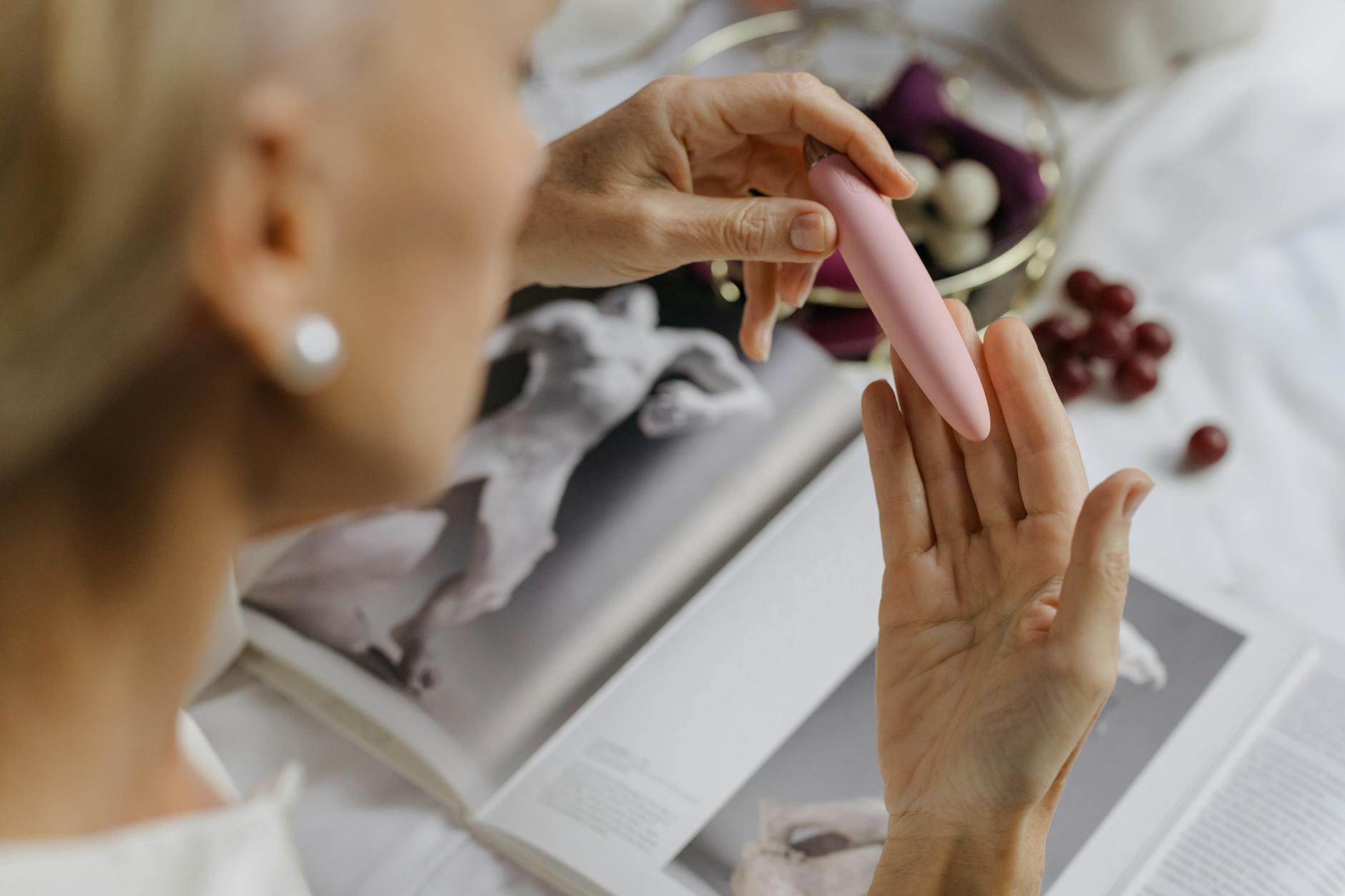
Here's the thing nobody tells you about medication and pleasure
You started a new antidepressant, antihistamine, or blood pressure med. Within weeks, orgasm got harder. Or sensation went numb. Or both. And now you're stuck in a feedback loop: guilt about not feeling it, frustration that your body has betrayed you, and the creeping fear that this is permanent.
It's not permanent. But it's also not something you fix by just trying harder or buying a stronger lemon vibrator. The physiology is real, and so is the fix.
What medications actually do to sensation
Certain classes of drugs interfere with nerve signaling or blood flow in ways that directly affect clitoral sensation. SSRIs (selective serotonin reuptake inhibitors) like sertraline and paroxetine are the most notorious culprits. They improve mood by keeping serotonin in circulation longer, but that same mechanism can blunt the dopamine and norepinephrine signals that fire during arousal. Antihistamines dry out mucosal tissue, which reduces the feedback loop between touch and nerve response. Some blood pressure medications reduce overall vascular responsiveness, meaning less blood flow to the clitoris during arousal.
The result isn't that sensation disappears. It's that the signal arrives quieter and takes longer to build. Like trying to hear a conversation in a crowded room when someone's turned down the volume.
Why your usual approach stops working
You've got a lemon vibrator that worked brilliantly six months ago. You use it the same way. Nothing. So you try more intensity, longer sessions, different patterns. Still nothing. Now you're either numb or frustrated, and most people blame themselves.
Don't. Your clitoris didn't break. The input-output ratio changed. A device that was perfect for your previous neurochemistry needs recalibration for your current one.
How to restart sensation with medication-adjusted settings
Four shifts that work:
Start lower and longer. If you were using patterns 4-6 on your lemon clitoral vibrator before medication, begin at pattern 1-2 now. Spend 10-15 minutes at that level before moving up. Your nerve endings need time to "wake up" and recognize the signal. Patience rewires the pathway.
Add texture variety. The numbing effect of medication often responds better to different stimulus patterns than raw intensity. Instead of using one pattern continuously, try switching between patterns every 2-3 minutes. The novelty helps the nervous system lock onto the sensation.
Combine sensations deliberately. Clitoral numbness from medication responds well to layered input. Use your lemon sucker at a lower setting while also using manual touch on other erogenous zones. Nipple stimulation, inner-thigh touch, or even holding your breath briefly can amplify the signal your brain receives from the clitoris.
Time it strategically. Most medications have a circadian rhythm to their effectiveness. SSRIs tend to have slightly less sexual side effect coverage in the morning. Antihistamines wear off after 6-8 hours. If you take them at night, morning pleasure typically works better. Track your own rhythm for two weeks and anchor your practice to your window.
When to talk to your doctor (and what to ask)
If sensation loss is severe, you have three legit options worth discussing:
Timing adjustment. Some antidepressants can be shifted to different times of day with minimal impact on efficacy but measurable improvement in sexual response. Your prescriber can tell you if yours is flexible.
Dosage conversation. Occasionally, a lower dose maintains the therapeutic benefit with fewer sexual side effects. Not always, but worth asking.
Medication swap. Some SSRIs have lower sexual side effect profiles than others. Bupropion, for instance, sometimes enhances rather than dampens arousal. This isn't a fast fix, but if sexual function is truly compromised and other options have been tried, it's a conversation worth having.
The rebuild is slower but richer
When you're relearning pleasure after medication shifts, you're not just chasing the same orgasm you had before. You're building a new map of your body's current capacity. That process is slower. But most people report that the orgasms that come through on the other side feel more deliberate, more grounded, and sometimes more intense than they did before.
Use a lemon vibrator with intention, not desperation. Notice what patterns create the faintest shimmer of response. Build from there. Your clitoris is still you. It's just recalibrating.
The partner conversation matters too
If you're with someone, tell them what's happening and what you need. "My medication is affecting sensation, so I need longer warm-up and I'm going to experiment with different intensities" is a complete explanation. You don't owe them a timeline or an apology.
Many partners worry that medication-related numbness means you're losing interest in them. That's rarely true. What's true is that your nervous system needs different input. That's not rejection. It's recalibration. When you explain it that way, most partners want to help.
When numbness is about more than just medication
Sometimes sensation loss coincides with medication but isn't caused by it. Anxiety, depression, relationship conflict, or hormonal changes can all be running in parallel. If you've adjusted your lemon vibrator practice, given it three weeks, and sensation still hasn't shifted at all, talk to a therapist or your doctor.
Physical causes like decreased estrogen or nerve damage need different interventions than medication effects. Getting clarity matters more than guessing.
Frequently asked questions
How long does it take for sensation to return after starting a new medication?
Usually 4-8 weeks for the plateau, but recovery of full sensation can take 2-3 months. Your nervous system needs time to recalibrate. In the meantime, patience and gentle exploration work better than forcing intensity.
Can I use a stronger lemon vibrator to compensate for numbness?
Temporarily, yes. But more intensity often trains your nervous system to expect more intensity, which can be counterproductive long-term. Better to find the right intensity for your current neurochemistry and stay there for a month or two while your body adjusts.
Does switching antidepressants always fix sexual side effects?
Not always, but sometimes. Different SSRIs and other classes have different sexual side effect profiles. If sexual function is seriously compromised and you've tried other adjustments, it's worth discussing with your prescriber. The fix can take another 6-8 weeks to stabilize.
What if I've been on the medication for a year and sensation still hasn't returned?
You likely need a conversation with your doctor. Persistent sexual side effects can sometimes be managed with additional medications (like bupropion as an "add-on"), timing adjustments, or a medication switch. You don't have to live with this.
Can I use a lemon clitoral vibrator the same way if I'm on antihistamines versus antidepressants?
The basic principle is the same (lower intensity, longer duration, texture variety), but antihistamines dry out tissue more acutely than antidepressants affect neural response. With antihistamines, adding a water-based lubricant often makes a bigger difference than with SSRIs. Both need patience, but the mechanisms are slightly different.
Is medication-related numbness permanent if I stay on the drug?
Not for most people. Many experience some natural adaptation after 8-12 weeks. But for some, the effect plateaus. If it does, medication adjustment is a reasonable next step. Sexual function matters. Your prescriber should take that seriously.
The bottom line
Medication side effects on clitoral sensation are real, they're measurable, and they're worth taking seriously. They're also almost always workable. The key is separating the physiological fact from the emotional story you're telling yourself. Your lemon vibrator didn't stop working. Your nervous system is just processing input differently. When you adjust your approach to match that shift, pleasure usually comes back. Sometimes better than before.
If you want to discuss how your pleasure practice might shift with medication changes, reach out. That's what I'm here for.