Here's what nobody tells you about aging and sensation
Your clitoris doesn't stop working. It changes. And that's not a problem to fix. It's information to use.
Clitoral sensitivity shifts throughout your life for reasons that are purely physiological. Hormones decline. Blood flow patterns change. Nerve density stays exactly the same, but the tissue around those nerves thins and becomes more responsive to certain types of stimulation over others. A vibration that felt incredible at 28 might feel overwhelming or too numb at 45. Both responses are normal. Neither means you've lost your capacity for pleasure.
What most people miss is this: you haven't lost sensitivity. You've developed different sensitivity. And once you understand how it works, you can actually access deeper, more consistent orgasms than you ever did before.
Why vibration alone stops working the way it used to
When you're younger, your clitoral tissue is thicker and has more estrogen. That thickness acts like padding. Vibration travels through it easily, reaching the nerve clusters underneath. The signal is clear and strong.
As estrogen declines, that tissue gets thinner and more delicate. Now vibration alone can feel like static noise instead of a clear signal. It's too direct, too one-note. Some people describe it as numb. Others say it actually feels painful or overstimulating.
This is where most people give up and assume their body is broken. It isn't. It's just asking for a different approach.
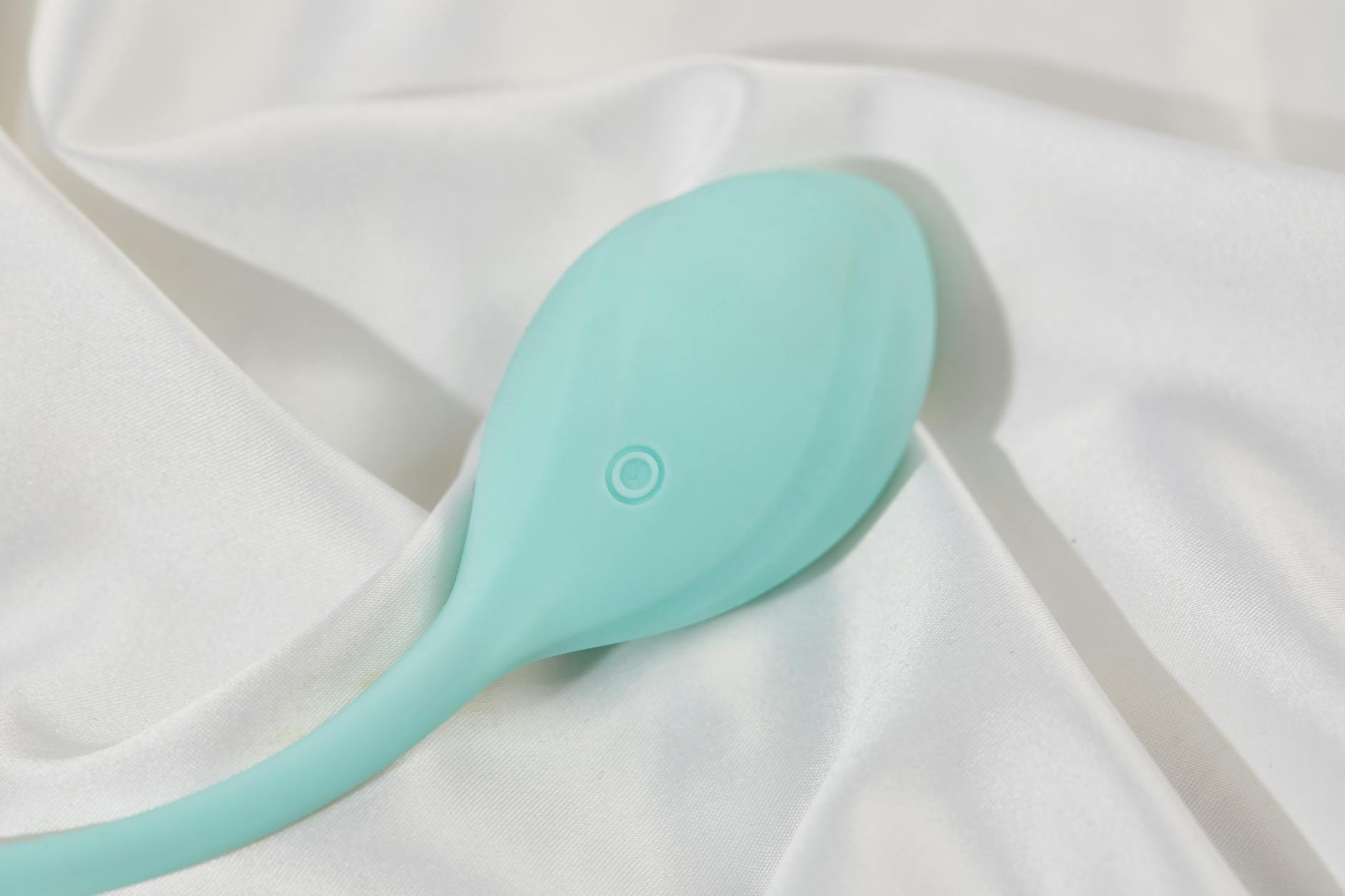
Suction, by contrast, works by creating a gentle pressure change that stimulates the entire clitoral complex, not just the surface. It's like the difference between tapping someone on the shoulder versus holding their hand. One is percussive. The other is sustained and enveloping. The Lem, with its suction-based design, is particularly effective here because it doesn't rely on high-frequency vibration to create sensation. It uses gentle pressure cycles instead.
The actual pattern of sensitivity change
I want to be specific because vague advice doesn't help anyone.
In your 20s and early 30s, direct clitoral vibration works well for most people. The tissue is resilient, and you can use higher intensity without irritation.
In your 40s, you might notice that direct vibration becomes less consistent. Some days it works great. Other days it feels like nothing. That's usually hormonal fluctuation, not permanent change.
After 40 or during perimenopause, suction-based devices start to outperform traditional vibrators for many people. The pattern 1 and 2 settings on a device like the Lem often feel better than patterns 5 or 6. Lower intensity, sustained pressure beats rapid vibration.
Post-menopause, this usually stabilizes. Your new baseline isn't worse. It's just different. And honestly, a lot of people find their most powerful orgasms happen in this phase because they finally know what actually works instead of guessing.
The two-step adjustment framework that actually works
Instead of fighting your body's changes, work with them. Here's how.
Step one: Start lower than you think you need. If you're used to using pattern 5 on a traditional lemon vibrator, begin with pattern 2 on the Lem. This isn't compromise. This is reading your actual sensitivity right now. Give yourself 10 minutes at low intensity before you increase. You might be surprised at how much sensation you're actually receiving.
Step two: Use warmup time strategically. Younger bodies often go from zero to aroused in three minutes. Older bodies usually need 15 to 25 minutes of lower-intensity stimulation before the clitoris becomes fully responsive. This isn't slower. It's deeper. The longer arousal window creates more blood flow to the area, which actually enhances the entire experience.
Lubrication as part of sensation, not just comfort
Water-based lube isn't optional at this stage of life. It's part of your toolkit.
Younger tissue usually self-lubricates adequately. Older tissue benefits from external lubrication because it changes how stimulation feels. Lube reduces friction, which means the device glides instead of tugs. For many people, this transforms the experience from overstimulating to exactly right.
Apply lube to both the device and your body. Let it sit for 30 seconds before you start. Reapply halfway through if needed. The best lube is water-based because silicone lubes can damage silicone toys, and this is a silicone device.
The slight cooling sensation as lube dries is actually helpful. It creates a mild pressure change that some people find more pleasurable than any setting on the device itself.
Why rhythmic exploration beats finding one "magic setting"
Here's a trap I see constantly: someone finds a pattern that works one day, then uses that exact pattern every single time. Their body adapts. The sensation flattens. Then they assume they've lost sensitivity again.
Your clitoris is more responsive to variety as you age, not less. Spend the first 5 minutes on pattern 1. Move to pattern 2 for the next 5 minutes. Then go back to 1. The variation actually keeps your nervous system engaged instead of tuning out.
This also means you don't need to chase higher intensity. You need to chase different intensity. That's the opposite of what most people try.
When to bring a partner into the adjustment
If you're with a partner, this is a conversation worth having before things feel broken. Say something like: "My body's responding differently to stimulation these days, and I want to explore that together. It's not less pleasurable. It's just different. I'm thinking we try more warmup time and lower initial intensity."
Most partners respond well to this because it's not blame. It's data. And it's an invitation to figure something out together instead of a problem one person has to solve alone.
If your partner is skeptical, remind them that this is an opportunity. You're not starting from scratch. You're refining something that already works. That's actually easier than beginning.
The role of mindset in perceiving sensation
I need to say this plainly because it matters: your brain controls how much sensation you perceive, maybe more than your clitoris does.
If you're expecting a lemon vibrator to feel like it did 15 years ago, you'll interpret new sensations as "less." If you approach it with curiosity about how your body has changed and what feels good now, you'll notice actual pleasure.
One client described it like this: "I thought my sensitivity was gone. Then I realized I was just listening for the wrong signal." She was right. The signal didn't disappear. It just changed frequency.
Meditation or simple breath work before self-pleasure actually helps here. Three minutes of slow breathing settles your nervous system and primes you to feel more, not less. Try it once and you'll probably keep doing it.
When to see a healthcare provider
If sensation has completely vanished, or if there's pain with any stimulation, that's worth a conversation with a menopause-informed GP or gynecologist. Sometimes this is just tissue thinning, which topical estrogen cream can help with. Sometimes it's nerve-related, which is different and also treatable.
You're not being weak or dramatic by asking. This is a real medical question. A good provider will answer it straight.
The setup that works for most people over 40
If you're just starting with a lemon clitoral vibrator after noticing sensitivity changes, here's the recipe.
Use the Lem on pattern 1 or 2. Apply water-based lube. Give yourself 20 minutes without a time pressure. Start with the device held about half an inch away from your clitoris, not directly on it. Let the suction do the work. If you want more intensity, press slightly closer. If it's too much, ease back.
The goal isn't orgasm on a timeline. The goal is finding what your body is actually asking for right now. Once you find that, everything else becomes easier.
The unexpected truth about aging and pleasure
I've worked with hundreds of people navigating this shift. The consistent thing I hear from people who adjust well: they have better orgasms after 40 than they did before. Not despite the changes. Because of them.
Younger bodies can sometimes orgasm through novelty and intensity alone. Older bodies usually need intention and attunement. That sounds like a loss until you realize it's actually a gain. You're not just having pleasure. You're having pleasure you've learned to create deliberately.
That's more powerful. And more reliable. And it lasts.
FAQ: Your questions about sensitivity changes and lemon vibrators
Is it normal for clitoral sensitivity to decrease after 45?
Completely normal. Estrogen decline thins the tissue around your clitoris. That doesn't mean sensation disappears. It means sensation changes. The nerve density in your clitoris stays the same your whole life. What changes is how easily stimulation reaches those nerves. That's why device choice matters so much at this stage. Suction-based devices like the Lem often feel better than traditional vibrators because they create a different type of pressure that works with thinner tissue instead of against it.
Why does my lemon vibrator feel overwhelming now when it used to feel great?
Tissue sensitivity increases even as overall responsiveness changes. Thinner, more delicate tissue has less padding. Direct vibration can feel like too much stimulation on tissue that's already heightened. Start with lower patterns and work up. Most people find that pattern 2 on the Lem feels more pleasurable than pattern 5 on their old device. It's not less intense. It's better calibrated to your actual tissue right now.
Does water-based lube really make a difference after 40?
Yes. External lubrication changes how the device feels against your tissue. It reduces friction and creates smoother, more sustained sensation. This is especially true for suction-based devices, which work better when there's a slight seal between the toy and your body. Water-based lube helps create that without damaging silicone. Apply it generously and reapply if it dries out mid-session.
Can I go back to using my old vibrator if I modify how I use it?
Sometimes. If you lower the intensity and increase warmup time, older vibrators can work okay. But most people find that once their tissue changes, a suction-based device just works better. It's not that your old vibrator is broken. It's that it was designed for a different clitoral tissue state. The Lem is designed to work with tissue that's changed, which is why so many people over 40 report better results with suction over vibration alone.
Is sensitivity loss a sign that something's medically wrong?
Not necessarily. Hormonal change is the most common cause, and it's not a problem. It's a transition. If sensitivity loss is sudden, comes with pain, or happens alongside other concerning symptoms, that's worth mentioning to a doctor. But gradual sensitivity shifts over years as you age? That's normal physiology. Your body isn't broken. It's evolving.
How long does it take to adjust to new sensitivity patterns?
Most people notice a shift within 3 to 5 sessions of trying lower intensity and longer warmup. Some need a few weeks to really dial it in. The key is not forcing it. If you approach it with curiosity instead of frustration, your body will tell you what it needs pretty quickly.
The bottom line
Clitoral sensitivity changes with age. That's not a problem. It's an invitation to learn your body again, and often, learn it better. A lemon vibrator, especially one designed around suction instead of pure vibration, is one of the best tools for that exploration because it works with your tissue changes instead of against them.
Start low. Take your time. Use lube. Listen to what your body is actually asking for. And remember: the best pleasure at any age is the one you're fully present for, not the one you're forcing to match some earlier version of yourself.
If you're navigating this shift and want personalized guidance, reach out to us. This is exactly what we're here for.