Let's be real about arousal slowdown
Your body used to fire up in seconds. Now it takes minutes. Or it barely fires up at all. You're wondering if something's broken, if your partner isn't doing it anymore, or if you've just... lost the spark.
Here's the thing: arousal slowdown is one of the most common complaints I hear, and it's almost never what people think it is. It's not about losing desire. It's not about your relationship (usually). It's your nervous system recalibrating, and once you understand why, you can actually work with it instead of fighting it.
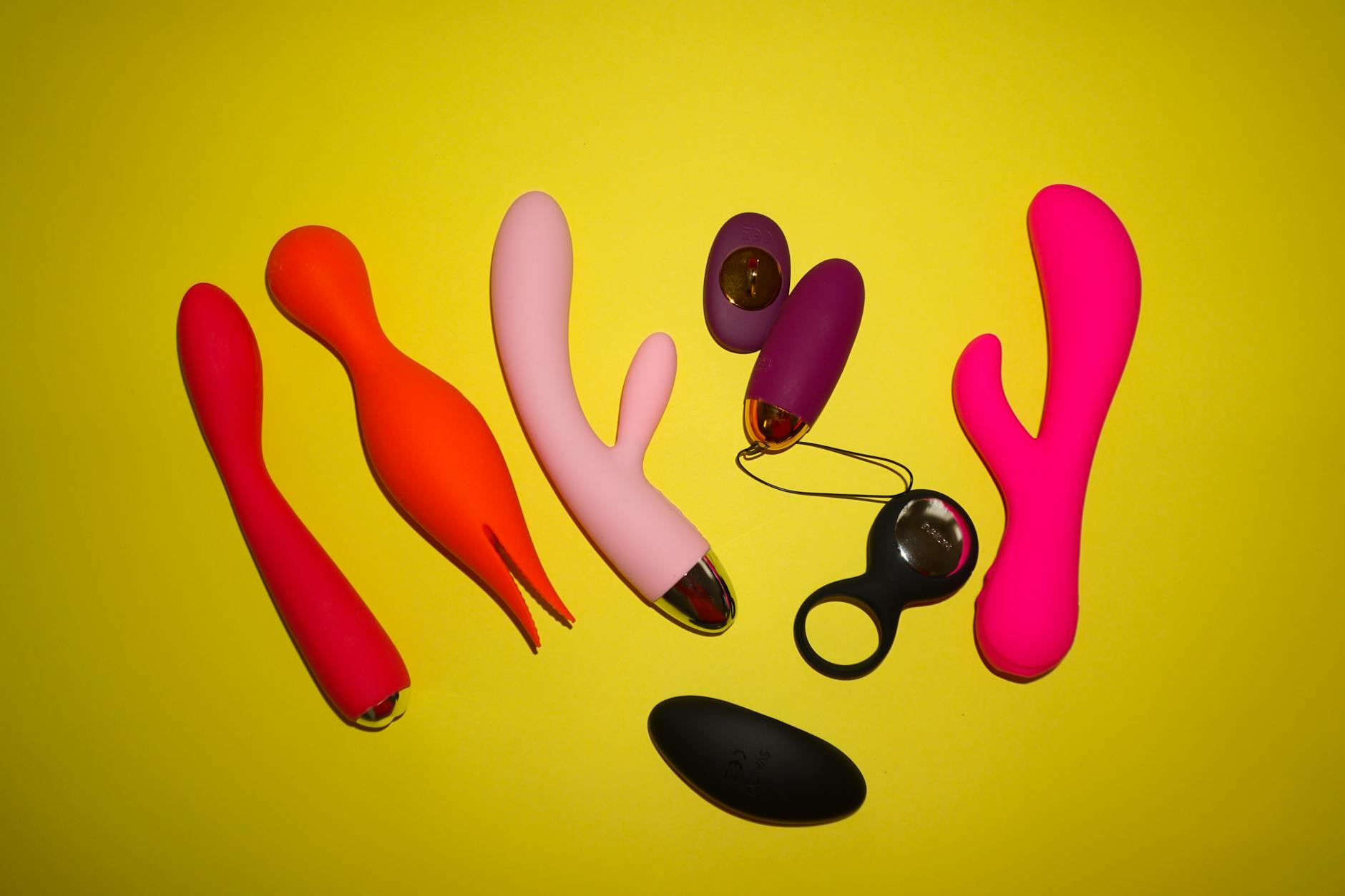
That's where tools like a Lemon clitoral vibrator change the game. Not because they're a magic fix, but because they're designed to work with how your arousal actually functions when it's slower.
Why arousal takes longer now
Three main culprits show up repeatedly in clinic:
Stress and cortisol overload. Your sympathetic nervous system (the fight-or-flight part) is hijacking your parasympathetic system (the rest-and-digest part that arousal lives in). When you're managing a career, a relationship, aging parents, financial pressure, or grief, your brain literally deprioritizes sexual response. It's not a personal failing. It's your body's risk assessment saying "not now."
Medication shifts. Antidepressants, antihypertensives, and birth control are the usual suspects. They're worth keeping if they're helping your overall health, but they often flatten arousal response. That's a trade-off, not a permanent loss.
Hormonal changes. Whether it's perimenopause, post-menopause, or just natural fluctuation across your cycle, lower estrogen means slower blood flow to genital tissue. More time to build sensation. That's physiological, not psychological.
There's also the quieter culprit: expectation. When arousal used to happen fast, a slower pace can feel like failure. Your mind gets in the way. You second-guess your body instead of letting it do its thing.
The arousal-speed myth
Here's what nobody tells you: fast arousal was never the goal. It was just what happened. Slower arousal isn't broken. It's often deeper.
Studies on sexual response show that people with extended arousal phases often report more satisfaction and easier orgasm when they finally get there. The nervous system has time to fully settle into parasympathetic mode. More time for blood to accumulate in tissue. More time for your brain to get out of its own way.
The problem isn't slow. The problem is impatience.
How a Lemon vibrator helps specifically
If you're working with a slower arousal curve, a clitoral vibrator is useful for three distinct reasons:
1. Sensation bypass. When arousal is sluggish, waiting for natural stimulation to build sensation takes time you might not have (especially with a partner watching, or with performance pressure). Vibration creates immediate sensory input that your nervous system can use as a starting point. You're not forcing arousal. You're giving your body something responsive to work with.
2. Consistent intensity. Hand stimulation changes rhythm depending on your partner's attention, fatigue, or your own hand position. A Lemon vibrator maintains the same pattern and pressure across time. Your nervous system learns the rhythm faster, and arousal builds more predictably. That predictability is calming, which paradoxically makes arousal easier.
3. Separation from performance. When you're using a tool instead of relying on a partner's manual touch, you remove the "is my body reacting fast enough for them" anxiety. You can focus on sensation instead of assessment. That mental shift alone rebuilds arousal response in weeks.
Setting up for success with a slower arousal timeline
Four things to change immediately:
Build in pre-arousal time. Don't start with genital contact. Spend 10-15 minutes on touch that feels good but isn't explicitly sexual. Your nervous system needs time to downshift. This isn't foreplay in the traditional sense. It's nervous system prep.
Use lube from the start. When arousal is slow, natural lubrication takes longer too. Water-based lube reduces friction and sends a signal to your nervous system that things are moving. It takes pressure off your body to "perform" on its own.
Start at lower intensity. If you're using a Lemon vibrator, begin at pattern 1 or 2, not 3 or 4. Let sensation build gradually. Your nervous system is learning a new rhythm. Pushing too hard too fast triggers the sympathetic (fight-or-flight) response, which is the opposite of what you need.
Change your environment. Temperature, lighting, noise, and visual stimuli all affect how quickly your parasympathetic system activates. Cool rooms slow it down. Warm rooms help. Soft light helps. Silence sometimes helps, but so does music you love. Experiment.
The mental piece nobody talks about
Here's where things usually break down: you know arousal is slow, so you try harder to make it faster. You focus on whether it's working. You check in with yourself. You judge the speed.
All of that is your sympathetic nervous system running the show. You're basically in a low-level stress state while trying to achieve relaxation. It doesn't work.
The fix is acceptance. Genuinely. Not as a spiritual practice, but as a tactical choice.
When you start using a Lemon vibrator, the first few times are about observation, not performance. Notice what pattern feels good. Notice how long it takes. Notice when sensation shifts. You're collecting data about your own body, not chasing a timeline.
Once you've done that 3-4 times, your nervous system knows what's coming. That's when arousal speeds up naturally. Your body trusts the process.
When to involve your partner
If you have one, this is important. Slower arousal with a partner present often comes with an invisible script: they're supposed to "turn you on." That puts pressure on them and performance anxiety on you.
Instead, reframe it. You're learning your arousal response again. They can be present, they can participate, but they're not responsible for the speed.
Some couples find that the person with slower arousal takes 10 minutes alone with a vibrator first, gets into parasympathetic mode, then brings their partner in. Others find that using a Lemon vibrator together changes the dynamic entirely. The focus shifts from "making it happen" to "experiencing it together."
There's no wrong version. The key is communicating what you actually need instead of what you think you should need.
If nothing shifts in 4-6 weeks
Slow arousal that persists despite lower stress, consistent practice, and the right tools might point to something else: undiagnosed hormonal change, medication side effects that need adjustment, or relationship tension you haven't named yet.
It's worth talking to a doctor if you're on medications that affect sexual response. It's worth talking to a therapist if there's unexpressed resentment or disconnection with your partner. And it's absolutely worth reaching out to a specialist who works with sexual response specifically.
Sometimes slowness isn't the problem. It's the symptom.
The slow-arousal advantage most people miss
Once you stop fighting the timeline and start working with it, something shifts. People often report that their most intense orgasms happen during these slower, deeper arousal phases. The sensation has time to accumulate. The nervous system is fully settled. The experience feels different. Better.
Arrousal slowdown isn't a loss. It's a recalibration. And the Lemon vibrator is just a tool to help you recalibrate without pressure.
People also ask
How long should I wait before using a vibrator if arousal is slow?
Start with vibration after 5-10 minutes of non-genital touch, once you're already feeling some shift in your nervous system. Don't use it as the first move. Use it as a bridge to deeper arousal.
Can using a vibrator make arousal even slower over time?
No. The research on desensitization is mostly myth. What can happen is that your nervous system learns to rely on a specific pattern or intensity. That's why varying the pattern, taking breaks, and alternating between different tools is helpful. Your body doesn't get bored. It gets efficient.
Does slow arousal mean low libido?
Completely different things. Libido is desire. Arousal is response. You can have high desire but slow arousal response, especially if stress, medication, or hormones are involved. This is important because it means the fix isn't about wanting sex more. It's about removing barriers to your body's response.
Why does a Lemon clitoral vibrator help when my partner's touch doesn't?
Consistency. Your partner's hand naturally varies in pressure, rhythm, and positioning depending on their attention and fatigue. A vibrator maintains the same pattern. That consistency is easier for a nervous system in slow-arousal mode to build on. It's not about one being better. It's about different tools serving different functions.
Is slow arousal permanent?
Rarely. Once you identify what's causing it (stress, medication, hormonal change), address it, and give yourself grace during the adjustment period, arousal response typically normalizes. Sometimes the timeline shifts permanently, and that's okay too. Acceptable is more important than fast.
Should I tell my partner my arousal is slower?
Yes. Absolutely. In a way that separates it from attraction or desire for them. "My body's arousal response is taking longer right now, and that's not about you. Here's what helps me" opens a conversation. Hiding it creates confusion and pressure on both sides.
The bottom line
Arousals slowdown isn't a failure. It's information. Use it to understand what your nervous system needs right now. Give yourself time. Get the tools that work with your timeline instead of against it. And remember: slow arousal, fully experienced, often feels better than fast arousal ever did.