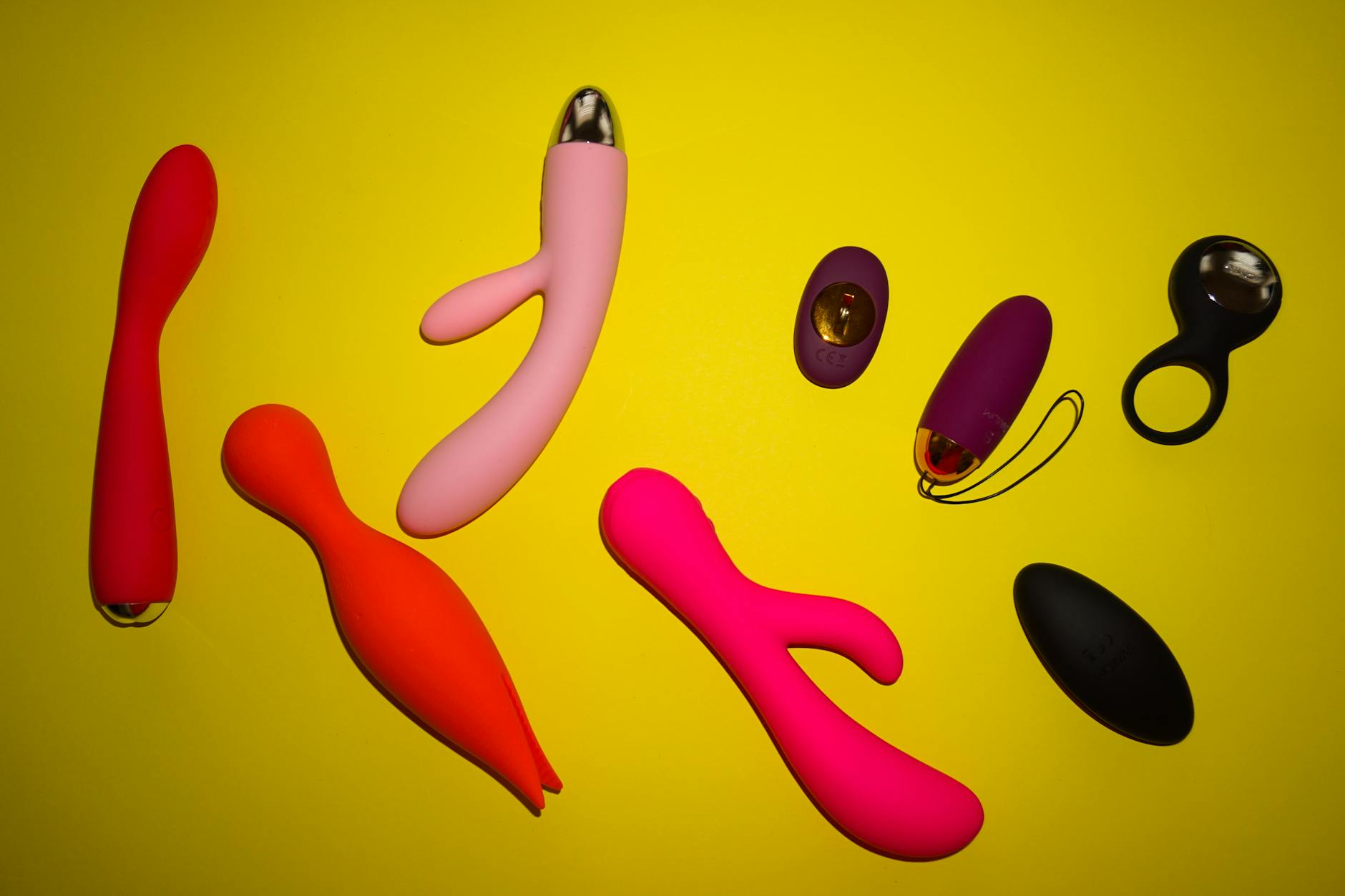
Let's talk about what arousal really is
Arousal is never just about your body. It's a conversation between your nervous system, your brain, your emotional state, and what's actually happening in your relationship right now. When something shifts in how you and your partner connect, it shows up in arousal first. Your body knows before you do.
I've worked with hundreds of people navigating relationship transitions, and one of the most common (and least discussed) side effects is arousal that feels off. Not absent, not broken. Just complicated. Different. A lemon clitoral vibrator can absolutely help you find your way back, but first you need to understand what's actually shifted.
Why relationship changes affect arousal so directly
Here's the neurobiology piece: arousal requires your parasympathetic nervous system to feel safe. Your partner is one of the biggest inputs into that safety calculation. When the relationship dynamic changes—you've moved in together, one of you changed jobs, you've navigated a conflict differently, or you're both adjusting to how you show up—your nervous system has to recalibrate.
This isn't a reflection on your desire for your partner. This is your body being smart. It's saying: "Wait, let me understand what's happening before I turn on."
Your brain also gets involved. You might be thinking about the unresolved conversation you had yesterday, or noticing your partner touches you differently now, or feeling disconnected in a way you can't quite name. All of that sits between you and arousal. A lemon vibrator doesn't erase those thoughts, but it gives your nervous system a different channel to turn on through.
The difference between solo and partnered arousal after a shift
One thing I notice with my clients is that arousal after a relationship change often feels easier alone than with a partner. That's not a sign that something is wrong. It's a sign that your brain can focus on one variable at a time.
When you're using a clitoral vibrator by yourself, you're removing the performance aspect. You're not tracking whether your partner is enjoying this, or whether they're going to want more of something you're not sure you want to give right now, or whether they'll notice you seem distant. You're just attending to your own sensation.
This is actually really valuable data. If arousal comes easily when you're alone with a lemon vibrator but feels harder with your partner, the issue probably isn't your body. It's usually about emotional safety or unprocessed feelings about the relationship shift itself.
How to use a lemon vibrator when everything feels emotionally complicated
Start without the emotional pressure. Use your lemon vibrator when you have zero agenda except to understand what your body needs right now. No performance, no trying to fix anything, no goal of orgasm.
This matters. Most people use vibrators as a tool to reach climax. That's fine, but when arousal is complicated, it turns the vibrator into another way to feel like you're failing. Instead, treat it like a conversation with your nervous system.
Begin on the lowest setting. Let yourself notice what patterns of stimulation actually feel good right now, in this moment of your life. You might find that you want lighter, longer sensations instead of the intensity you used before. You might want to take longer to build arousal. You might need to think about something (or someone) different to get turned on. All of this is information.
Many people find that a lemon sucker's gentler suction approach feels less jarring when emotions are tangled up. The sensation is less intense than traditional vibration, which means you have more mental space to notice what you're actually feeling.
When you're ready to explore arousal with your partner again
Here's what I recommend: don't jump straight to using the vibrator together. Have a conversation first about what's shifted. This doesn't need to be heavy or scary. It can be simple. "My body feels different lately, and I'm curious about what that's about. I'm using some time alone to figure out what I actually want right now."
That honesty often shifts something in the dynamic. Your partner gets to understand that it's not rejection. You get to feel less guilty about the complication. Then, when you do introduce the vibrator to partnered sex, it's not a band-aid on an unspoken problem. It's a tool you're both choosing together.
When you're ready, a lemon vibrator actually works beautifully in partnered sex after a relationship shift because it gives both of you something to focus on that's neutral. It's not about performance or pressure. It's about pleasure. You can show your partner exactly what feels good, and they can participate without needing to guess.
This often rebuilds arousal faster than anything else because you're combining solo understanding with partnered presence.
Common emotional blocks and how to move past them
Guilt is huge. You might feel guilty that your arousal is complicated, or that you want to use a vibrator instead of just having sex with your partner, or that you need more time and attention than you used to. That guilt sits on top of the arousal and makes it harder.
Listen: using a lemon vibrator when relationship dynamics are shifting is not a sign of weakness or disconnection. It's a sign that you're being honest with yourself about what your body needs. That honesty is what actually creates reconnection.
Anxiety can also live here. You might worry that the arousal change means the relationship is over, or that you've fallen out of love, or that your partner will feel hurt or rejected. Those are all real concerns worth talking about, but they're separate conversations from "my body is responding differently right now." Don't collapse them into one.
Loneliness is another one. Sometimes when relationships shift, you feel more alone even when you're physically together. A vibrator won't fix that, but giving yourself permission to experience pleasure might actually start to thaw some of that disconnection. You're telling your body: "You still matter. Your pleasure still matters."
The timeline isn't linear
Honestly, there's no "correct" amount of time for arousal to feel normal again after a relationship shift. Some people recalibrate in weeks. Some take months. Some find that their arousal actually expands into something richer once they move through the complication.
What matters is that you're attending to it, not ignoring it and hoping it goes away. Using a lemon vibrator, whether you're exploring solo or eventually with your partner, is a way of saying: "I'm not waiting for my body to feel normal again. I'm actively learning what normal is now."
The lemon clitoral vibrator becomes less about fixing the problem and more about maintaining connection to your own pleasure during a time when everything else feels uncertain. That's valuable work.
When to consider talking to someone
If arousal stays complicated for more than a few months, or if the relationship shift has created actual disconnection that you both feel, that's a good sign to talk to a couples therapist. Not because anything is wrong with you, but because sometimes relationships need a neutral third person to help you both move through transition together.
A therapist can help you understand whether the arousal complication is about the relationship, about your individual nervous system, or about both. That clarity often makes everything easier.
FAQ
How long does it take for arousal to feel normal again after a major relationship change?
There's no universal timeline. Some people notice arousal shifting back within a few weeks of a relationship adjustment. Others find it takes a couple of months. The key is that you're paying attention to it rather than waiting passively. Using a lemon vibrator consistently often helps your nervous system recalibrate faster because you're actively exploring sensation, not just hoping things go back to how they were. If it's been longer than three months and nothing is shifting, talking to a therapist might help you understand what's underneath the arousal complication.
Can using a lemon vibrator by myself damage my relationship with my partner?
Actually, the opposite is often true. When you understand your own arousal, you can communicate about it more clearly. You know what you need and why. You're not expecting your partner to guess. That clarity and honesty usually strengthens relationships because both people understand what's happening. The complications come when you're trying to hide the arousal shift or pretending everything is normal when it's not.
What if my partner wants sex but I don't feel aroused after our relationship shifted?
That's a conversation you need to have before you're in bed. "My body is responding to our recent changes differently, and I need some time to figure that out. It's not about you." Most partners respond better to honesty than to you silently using a vibrator hoping to get aroused so you can meet them halfway. Once your partner understands what's happening, they might actually want to explore a lemon vibrator together because they understand it's not about them failing to turn you on.
Is it normal for arousal to feel different even in a relationship that's going well?
Completely normal. Relationships have seasons. Sometimes arousal is easy, sometimes it's complicated, sometimes it feels different because you're both growing and changing. The only time it becomes a real problem is when one person is ignoring the shift and the other is feeling it deeply. If you notice arousal is complicated, that usually means something in the relationship dynamic is shifting and deserves attention.
How do I know if the arousal complication is about the relationship or about me?
Pay attention to what happens when you're alone with a lemon vibrator. Do you feel arousal easily when there's no partner involved? If yes, the complication is probably about the relationship dynamic or emotional safety with your partner. If arousal is hard solo and hard partnered, it might be about something happening with your nervous system itself, like stress or hormonal changes. Both deserve attention, but they're different conversations.
Can a lemon vibrator help me feel reconnected to my partner after a shift?
It can help you feel reconnected to yourself, which often is the first step toward reconnection with your partner. Once you understand what you need and can communicate that clearly, intimacy usually rebuilds. A lemon clitoral vibrator is especially useful here because it gives you both something focused to explore together, and it takes away the performance pressure that often makes things feel more complicated.