
Let's talk about the plot twist nobody expects
Your clitoris gets more sensitive as you age. Not less. Not the same. More. This might sound counterintuitive when everything else feels like it's losing sensitivity, but neurologically it's real. The nerve endings actually become more responsive over time, which means that intensity dial you've been turning up for years might suddenly feel like it's set to eleven.
This is great news and also requires a complete recalibration of how you approach pleasure. A lemon vibrator that felt perfect at 35 might feel overwhelming at 50. And if you're thinking "I'll just tough it out," I'm going to gently push back. The whole point is sensation you actually want, not sensation you're enduring.
Why this happens (the short neurology version)
Your clitoris doesn't shrink or lose function with age. What changes is the surrounding tissue and how your nervous system processes touch. The vulva loses some elasticity and fat padding, which means less buffering between the vibration and the nerve endings. Think of it like a loudspeaker without its casing. Same sound, way more direct impact.
At the same time, years of regular vibration use can sometimes change your sensitivity threshold. Your nervous system learns what to expect. But this isn't numbness in the way people describe it with extended use. This is recalibration. Your body is literally saying "I need you to adjust the input because I'm experiencing it differently now."
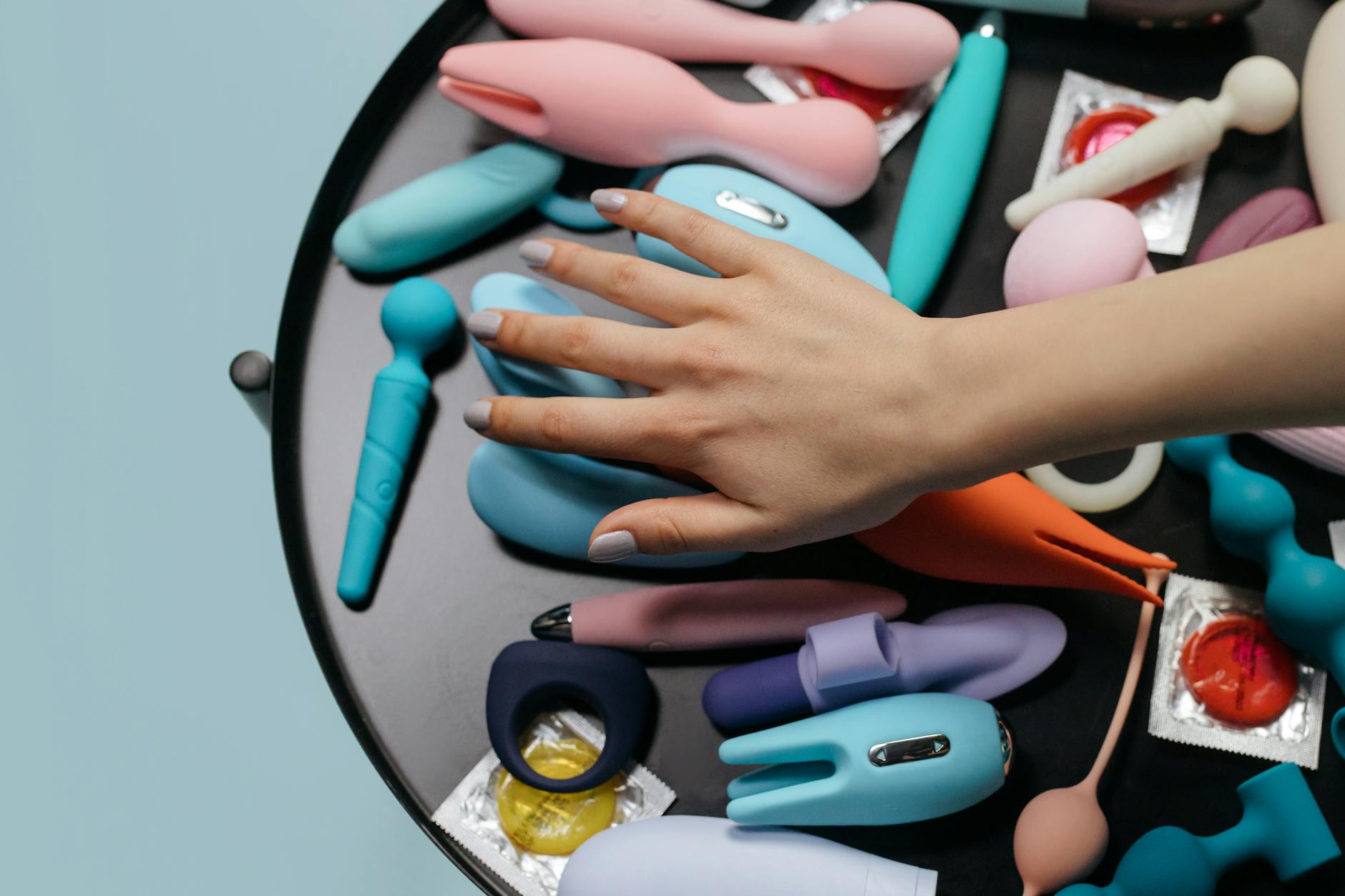
Photo by cottonbro studio on Pexels
The third piece is hormonal. If you're in perimenopause or menopause, estrogen drops and blood flow to the genitals changes. Ironically, this can make the clitoris more sensitive even as it feels drier. Hormonal shifts in your 40s and 50s rewire more than just lubrication. They change sensation itself.
The lemon vibrator settings that work better now
Most people using a lemon vibrator start on pattern 3 or 4 and work up from there. If you're experiencing increased sensitivity, flip that. Start on pattern 1. Seriously. I know it feels timid, but give it two minutes. You'll notice sensations you might have been missing because they were getting drowned out by higher intensity.
Here's the thing about lemon clitoral vibrators. They're designed with precision in mind. A lemon vibrator's suction-based stimulation is gentler than direct vibration on its lower settings, which makes it ideal when your sensitivity is heightened. You get intense sensation without the mechanical harshness.
Pattern 2 and 3 are often the sweet spot for people noticing new sensitivity. The rhythm modes (not just intensity) matter more than they used to. Some patterns feel sharp, others feel rolling and wave-like. Experiment with the rhythms as much as the power levels. You might find a specific pattern hits differently now.
Warm-up, pacing, and the patience thing
Your 25-year-old self might have gotten there in five minutes. Your current self might need fifteen. This is not a loss. This is information. Build in a longer warm-up, either solo with a lower setting or with a partner. Let arousal build gradually.
One thing I see consistently is people rushing through the early stages because "that used to work." But your body isn't the same body. If you take time to build arousal with hands, with your partner, with lower settings first, the experience deepens. Orgasms that come after genuine warm-up are usually more intense anyway, regardless of age.
The other adjustment is pacing. Instead of one 10-minute session, you might have three 5-minute sessions with breaks. This sounds weird until you try it. The nervous system resets a little between sessions. You get waves of intensity instead of one sustained climb. Many people report this feels more pleasurable, not less.
When to step back from direct stimulation
If you notice sharp or burning sensations, or if you feel raw after use, you're going too hard, too often, or for too long. Increased sensitivity doesn't mean your clitoris is tougher. It means it's more reactive, which also means it can irritate faster.
Try using the lemon vibrator over your underwear or through a thin layer of fabric. This diffuses the sensation slightly without losing the pleasure. This sounds like a compromise, but people who try it often prefer it. You get the pattern and rhythm without the direct intensity. It's not about making it weaker. It's about making it wider, more diffuse.
If you're noticing discomfort with penetration or partnered sex alongside clitoral sensitivity changes, that's separate and worth checking in with a healthcare provider about. Sometimes increased clitoral sensitivity comes with other tissue changes that need attention.
The partner conversation (if you have one)
If you're with someone, this is a good moment to recalibrate what you want. Increased clitoral sensitivity often means you need different timing or intensity during partnered sex. A lemon vibrator can bridge that gap. You might use it for solo warm-up before partnered sex, or you might ask your partner to use it on you while you're together.
The tricky part is naming it without making it about them. "My body is experiencing pleasure differently now" is different than "what you're doing doesn't work anymore." One opens a conversation. The other closes it. If you're not sure how to start, I'd mention that sensitivity changes are part of aging and pleasure, and that you want to explore this together.
The lubrication piece (yes, again)
Increased sensitivity sometimes feels like dryness because blood flow patterns change. You're not necessarily dry, but you might feel the friction more. Water-based lubricant becomes essential, not optional. Apply it generously and reapply as you go. This isn't a workaround. It's part of the setup.
Silicone-based lube feels richer and lasts longer, but don't use it with a silicone lemon vibrator (they're usually silicone, so check yours). Stick with water-based. The glide changes everything when your clitoris is more responsive.
Solo pleasure as your testing ground
This is where you experiment. Alone, you can take time. You can try pattern 1 for ten minutes without feeling like you're "taking too long." You can use the lemon vibrator through fabric, or at an angle, or lower on the vulva where sensation is different. You can find what actually feels good now, not what used to feel good.
Many people report that pleasure deepens once they stop chasing the orgasm they used to have and start exploring the orgasm they're having now. They're often different. Sometimes better.
When to check in with a healthcare provider
If sensitivity increases come with pain, burning that doesn't resolve with rest, or if your clitoris becomes visibly inflamed, that's worth mentioning to a gynecologist. Usually it's nothing serious. Sometimes it's a sign of irritation from frequency or intensity that needs adjusting. Sometimes it's a sign of hormonal shifts that might benefit from support.
If you're in menopause and your clitoral sensitivity is increasing alongside vaginal dryness or pain with penetration, a healthcare provider trained in menopause medicine can discuss topical estrogen or other options that might help the whole picture.
People also ask
Is increased clitoral sensitivity a sign of something wrong?
No. Increased sensitivity with age is normal and usually positive. Your nervous system is responding more acutely to touch. The adjustment is about adapting your tools and techniques, not fixing something broken. If it comes with pain or visible irritation, that's worth checking out. If it's just "wow, this feels intense now," that's just aging.
Can I use the same lemon vibrator I've been using, or do I need a new one?
You can use the same device. You're changing how you use it, not necessarily what you're using. Lower patterns, shorter sessions, and different angles often make all the difference. That said, if you want to explore a device with more granular control over intensity, that's also valid. Some people prefer having options when sensitivity shifts.
Does increased sensitivity mean I'll have better orgasms?
Often, yes. Sensitivity and pleasure aren't the same thing, but they're connected. When your nervous system is more responsive, orgasms can feel more full-body and intense. The catch is that you have to adjust your approach. The same routine that worked at 35 might be counterproductive at 55. It's like upgrading your speakers but keeping the volume cranked. You have to turn it down to actually hear the music.
Will this sensitivity increase continue, or will it level off?
It usually levels off once your body adjusts to the hormonal and tissue changes. Most people notice the biggest shift in their 40s and early 50s, then things stabilize. You'll eventually find a new baseline that feels normal. Until then, you're in an experimental phase. Lean into it.
Should I be using my lemon vibrator more or less as I age?
Neither. Frequency doesn't have to change. How you use it changes. Some people find that shorter, more frequent sessions work better than long marathon sessions. Others find that spacing out sessions gives their nervous system time to recalibrate. You're looking for what feels good and sustainable, not a "correct" frequency.
Is there a point where I should stop using a vibrator altogether?
No. Pleasure is not age-limited. The way you experience it evolves, but your right to it doesn't expire. People in their 60s, 70s, and beyond use lemon vibrators and other toys regularly. It's not about proving anything or recapturing youth. It's about having pleasure that fits your body now.
The bigger picture
Increased clitoral sensitivity is one of those changes that sneaks up on you. It doesn't get the airtime that hot flashes or sleep disruption get. But it matters because pleasure matters. It's part of how you experience your own body, and that matters at 20 and at 60.
The lemon vibrator you've been using isn't suddenly wrong. Your body's response to it has shifted. That's not a crisis. It's information. Take it seriously, adjust your approach, and rediscover what feels good now. Your pleasure deserves that attention.
If you're navigating this shift and want support thinking through how it fits into your larger relationship or solo life, reach out. That's what I'm here for.